"Define Freehand Sketch: A Comprehensive Guide"
Freehand sketching is an expressive and intuitive form of drawing that allows artists to capture their ideas and emotions directly onto paper without the aid of rulers, stencils, or digital tools. This artistic technique is widely used across various disciplines, from architecture and design to fine arts and illustration. Let's delve into the definition, benefits, techniques, and applications of freehand sketching.
What is Freehand Sketching?
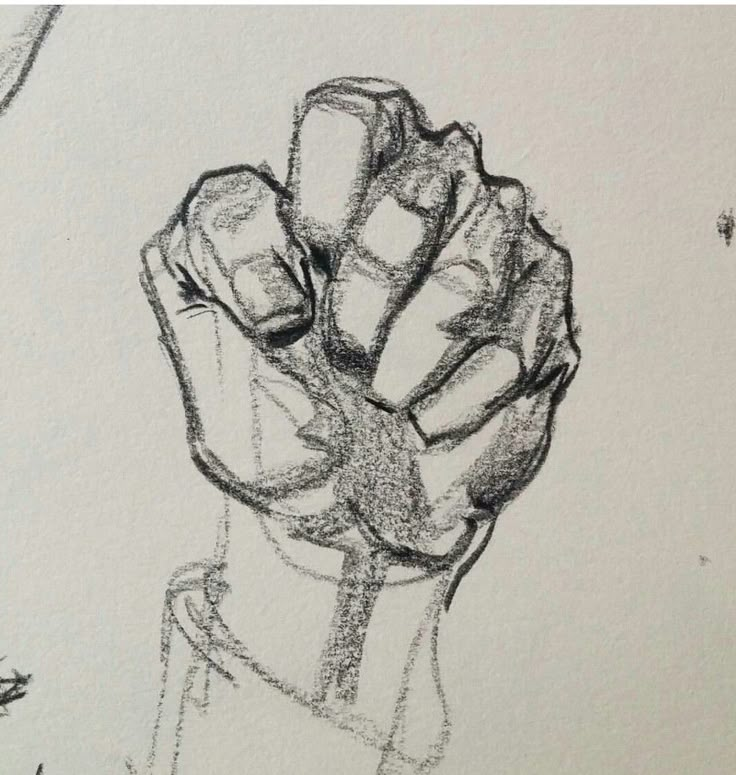
Freehand sketching, also known as freehand drawing, is a drawing technique that relies solely on the artist's hand and eye coordination. It involves creating lines, shapes, and forms by moving the hand and wrist, often in combination with the arm, to control the drawing implement (such as a pencil, pen, or charcoal) on the drawing surface. The key aspect of freehand sketching is its spontaneity and directness, allowing artists to quickly capture fleeting ideas and impressions.
Benefits of Freehand Sketching
- Quick and spontaneous expression: Freehand sketching enables artists to capture ideas and emotions quickly, making it an ideal tool for brainstorming, visual note-taking, and capturing fleeting moments.
- Improves hand-eye coordination and motor skills: Regular practice of freehand sketching helps develop fine motor skills, hand-eye coordination, and dexterity, making it beneficial for individuals of all ages.
- Encourages creativity and experimentation: Freehand sketching allows artists to explore different styles, techniques, and subject matters without the fear of failure, fostering a creative and experimental mindset.
- Enhances observation and visualization skills: By requiring artists to translate three-dimensional objects or scenes onto a two-dimensional surface, freehand sketching helps improve observation, visualization, and spatial awareness skills.
Freehand Sketching Techniques
Several techniques can be employed to improve freehand sketching skills. Some popular methods include:


- Contour drawing: Focusing on the outline or contour of the subject, this technique helps artists develop a keen eye for shapes and proportions.
- Blind contour drawing: Similar to contour drawing, this technique involves drawing the subject without looking at the paper, forcing artists to rely solely on their observation skills.
- Gesture drawing: Capturing the essence of a subject or pose in a single, quick line, gesture drawing helps artists develop fluidity and expressiveness in their lines.
- Cross-hatching and shading: Layering lines and adding shading techniques, such as cross-hatching, helps artists create depth, texture, and tone in their freehand sketches.
Applications of Freehand Sketching
Freehand sketching is an essential tool in various fields, including:
| Field | Application |
|---|---|
| Architecture and Design | Concept development, brainstorming, and communicating design ideas. |
| Fine Arts | Exploring creative ideas, developing artistic skills, and creating finished artworks. |
| Illustration | Storyboarding, concept development, and creating final illustrations for books, comics, and other media. |
| Urban Sketching | Capturing fleeting moments and scenes from everyday life, often en plein air. |
| Visual Note-Taking | Recording information, ideas, and insights in a visual and engaging format. |
In conclusion, freehand sketching is a versatile and expressive drawing technique that offers numerous benefits for artists and non-artists alike. By mastering freehand sketching techniques, individuals can unlock their creative potential, enhance their observation skills, and effectively communicate their ideas through visual means.




Related Articles
"File Freehand Sketch: Unleash Your Creativity"
In the realm of design and creativity, there's a certain charm in the simplicity and spontaneity of a free hand sketch . This age-old technique, now enhanced...

"Why Raising Your Hand in School Matters: A Comprehensive Guide"
Raising your hand in school might seem like a simple, almost instinctive action, but it holds immense power and significance. It's a universal gesture that...

"Where to Measure Hand Circumference: A Comprehensive Guide"
When it comes to measuring hand circumference, the process might seem straightforward, but there are actually several points on your hand where you might want...

"Prometric's Comprehensive Guide to Resident Hand & Nail Care"
Prometric, a global leader in test development and delivery, offers a comprehensive resident hand and nail care program designed to ensure the safety and...

"Hand File Identification: A Comprehensive Guide"
In the realm of criminal investigation and historical artifact analysis, the identification of hand files, also known as handwriting samples, plays a pivotal...

"Hand Dermatitis: Your Comprehensive Guide & Treatment Handout"
Are you experiencing persistent dryness, itching, or redness on your hands? You might be dealing with hand dermatitis, a common skin condition that can...