"Palm Lines: Left vs Right - Unveiling the Differences"
Palmistry, the art of interpreting a person's character or future by analyzing the lines, shapes, and patterns on the palms of their hands, has been practiced for centuries. One of the most intriguing aspects of palmistry is the distinction between the left and right hands. While some believe that the left hand represents our potential and inherited traits, and the right hand signifies our actions and acquired characteristics, others consider the right hand as the dominant hand, reflecting our current situation and the left hand as the non-dominant hand, representing our past and inherited traits. Regardless of the interpretation, the lines on our palms can provide fascinating insights. Let's delve into the different palm lines in the left and right hands.
Major Palm Lines: Heart, Head, and Life
The three major palm lines, also known as the Heart Line, Head Line, and Life Line, are present on both hands but can vary significantly in length, depth, and starting and ending points. These variations can provide unique insights into an individual's personality, relationships, and life path.
- Heart Line: Starting below the little finger and extending towards the index finger, the Heart Line is associated with emotions, relationships, and heart health. A long Heart Line on the right hand might indicate a strong emotional connection with others, while a short one on the left hand could suggest a more guarded approach to relationships.
- Head Line: Starting from the edge of the palm near the thumb and extending towards the little finger, the Head Line is linked to intellect, learning style, and communication. A long, straight Head Line on the right hand could indicate a logical, analytical thinker, while a wavy Head Line on the left hand might suggest a more creative, intuitive approach.
- Life Line: Starting near the thumb and extending downwards towards the wrist, the Life Line is associated with physical health, vitality, and major life changes. A deep, well-defined Life Line on the right hand could suggest good physical health and resilience, while a faint or broken Life Line on the left hand might indicate a more sensitive or vulnerable nature.
Minor Palm Lines: Fate, Marriage, and Children
In addition to the major palm lines, there are several minor palm lines that can provide further insights into an individual's life. These lines can vary in length, depth, and clarity between the left and right hands.


- Fate Line (or Career Line): Starting from the edge of the palm near the thumb and extending downwards towards the wrist, the Fate Line is associated with career, success, and life opportunities. A clear, well-defined Fate Line on the right hand could indicate a strong focus on career and ambition, while a faint or absent Fate Line on the left hand might suggest a more laid-back approach to work.
- Marriage Lines: Located below the little finger, Marriage Lines are associated with relationships, marriage, and partnerships. Multiple Marriage Lines on the right hand could indicate a series of relationships or marriages, while a single, deep Marriage Line on the left hand might suggest a long-term, committed relationship.
- Children Lines: Located below the Marriage Lines, Children Lines are associated with children, parenting, and family life. A clear, well-defined Children Line on the right hand could indicate a strong desire for children or a large family, while an absent Children Line on the left hand might suggest a preference for a child-free life.
Palmistry and Hand Dominance
The hand that we favor, or our hand dominance, can also play a role in palmistry. Some palmists believe that the dominant hand reflects our conscious actions and decisions, while the non-dominant hand represents our unconscious thoughts, feelings, and inherited traits. However, others argue that the dominant hand represents our potential and the non-dominant hand signifies our past and inherited traits. Regardless of the interpretation, the lines on our palms can provide valuable insights into our personality, relationships, and life path.
Palmistry and Cultural Variations
While palmistry has been practiced for centuries across various cultures, the interpretations of palm lines can vary significantly. For example, in some cultures, a long Life Line is considered a sign of good health and vitality, while in others, it is associated with a tendency to take risks or lead an adventurous life. Similarly, the significance of Marriage Lines and Children Lines can vary depending on cultural attitudes towards relationships and family life. Therefore, it is essential to approach palmistry with an open mind and a willingness to consider different interpretations.


In conclusion, the study of palm lines in the left and right hands can provide fascinating insights into an individual's personality, relationships, and life path. Whether you believe in the power of palmistry or simply find it an intriguing hobby, exploring the different palm lines can be a rewarding and enlightening experience. So, why not take a closer look at your palms and see what they have to say about you?


Related Articles

Shiny Hands: Unveiling the Meaning & Symbolism
Have you ever noticed someone with exceptionally shiny hands? It's a phenomenon that has sparked curiosity and debate, with various theories and superstitions...

"Difference Between Hair Mask & Hair Pack: Unveiling the Key Differences"
In the world of hair care, the terms "hair mask" and "hair pack" are often used interchangeably, but they're not exactly the same. Both are designed to deeply...

"Warm Hands: Unveiling the Meaning & Benefits"
Have you ever found yourself in a situation where you're trying to read someone's body language, only to be stumped by the simple act of them having warm...

"Hand Hygiene: The Right Way to Clean Your Hands"
In our interconnected world, maintaining good hand hygiene is more than just a personal habit; it's a crucial public health responsibility. This article delves...
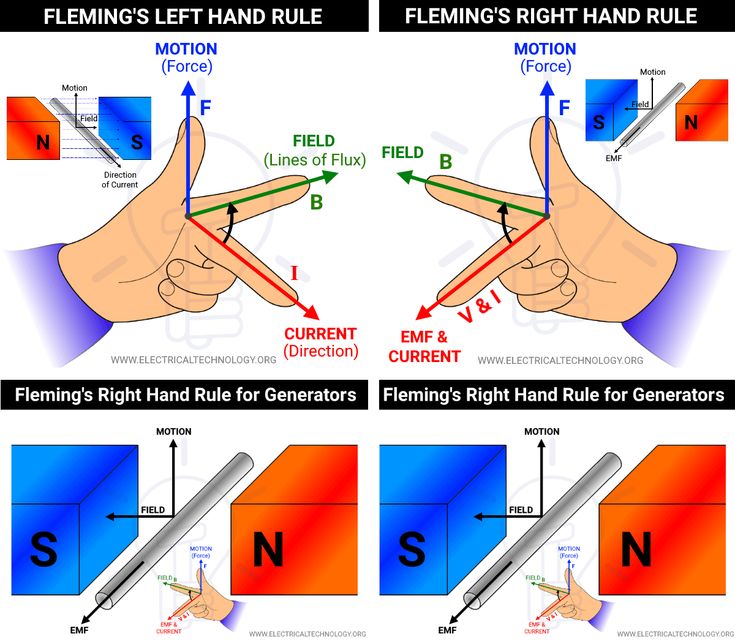
"When to Use Left & Right Hand Rule: Mastering Directional Physics"
The left and right hand rules are fundamental concepts in physics, particularly in understanding the direction of electric current, magnetic field, and force...

"Hand Cream vs Moisturizer: Key Differences & When to Use Each"
In the quest for soft, supple skin, many of us reach for either a hand cream or a moisturizer. But have you ever wondered, "How is hand cream different from...