"Diy Non-Toxic Sanitizer: Natural & Safe Recipes"
In the wake of the COVID-19 pandemic, there's been a surge in demand for cleaning and sanitizing products. However, many commercial solutions contain harsh chemicals that can be harmful to both humans and the environment. This has led many to seek out DIY non-toxic sanitizer alternatives. This article will guide you through creating your own effective, eco-friendly sanitizers at home.
Understanding the Science Behind Sanitizers
Before we dive into DIY recipes, it's crucial to understand what makes a sanitizer effective. Sanitizers work by inactivating or killing microorganisms, primarily through the process of oxidation. This is why many commercial sanitizers contain harsh chemicals like bleach or ammonia. However, there are natural alternatives that can achieve the same results without the harmful side effects.
Natural Ingredients for DIY Non-Toxic Sanitizers
Several natural ingredients have been found to have powerful antimicrobial properties. Here are some of the most effective ones:


- Vinegar: Vinegar, particularly white vinegar, has a low pH level that can kill bacteria, viruses, and mold.
- Hydrogen Peroxide: Hydrogen peroxide is a natural oxidizer that can kill bacteria, viruses, and even mold and mildew.
- Essential Oils: Certain essential oils, such as tea tree oil, eucalyptus oil, and peppermint oil, have powerful antimicrobial properties.
- Citrus Juice: The acidity in citrus juices, particularly lemon juice, can help to kill bacteria and viruses.
DIY Non-Toxic Sanitizer Recipes
All-Purpose Disinfectant Spray
This simple recipe uses white vinegar and hydrogen peroxide to create a powerful, non-toxic disinfectant spray.
| Ingredients | Amount |
|---|---|
| White vinegar | 1/2 cup |
| Hydrogen peroxide (3%) | 1/2 cup |
| Water | 1 cup |
Combine all ingredients in a spray bottle and shake well. Spray onto surfaces and let sit for 10 minutes before wiping off. Always test on a small area first to ensure it doesn't damage the surface.


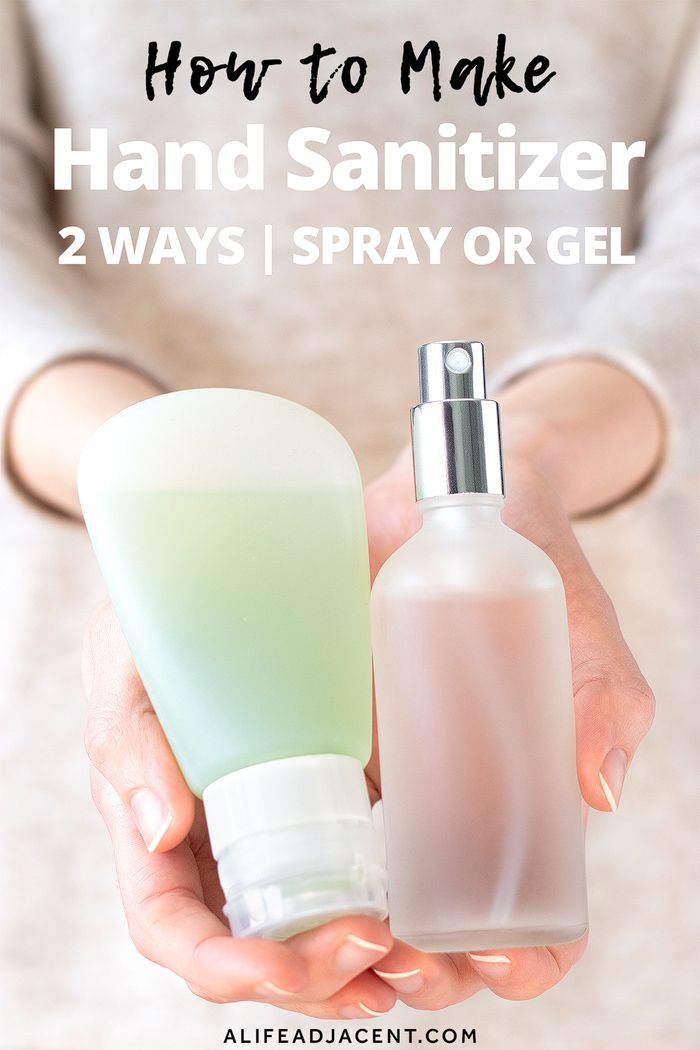
Hand Sanitizer
This hand sanitizer recipe uses aloe vera gel for moisturizing, isopropyl alcohol for disinfecting, and essential oils for added antimicrobial power and scent.
| Ingredients | Amount |
|---|---|
| Aloe vera gel | 1/4 cup |
| Isopropyl alcohol (91% or higher) | 1/4 cup |
| Essential oil (optional) | 10-15 drops |
Combine all ingredients in a bowl and mix well. Pour into a squeeze bottle or small jar. Always test on a small patch of skin first to ensure you don't have an adverse reaction.
Safety Tips for Using DIY Sanitizers
While DIY sanitizers are generally safer than commercial products, it's still important to use them safely:


- Always test on a small area first to ensure they don't damage surfaces or cause skin irritation.
- Never mix bleach with other cleaning products, as this can create harmful chemicals.
- Store your DIY sanitizers in a cool, dry place out of reach of children and pets.
- Wash your hands thoroughly after handling any cleaning product.
By following these guidelines, you can create effective, non-toxic sanitizers that are safe for both you and the environment. Happy cleaning!




Related Articles

"Non-Toxic Hand Sanitizer Brands: Safe & Effective Options"
In the wake of the COVID-19 pandemic, hand sanitizers have become a staple in our daily lives. However, not all hand sanitizers are created equal, and some...
"Non-Toxic Moisturizing Hand Sanitizer: Safe & Effective"
In the wake of the global pandemic, hand sanitizers have become a staple in our daily lives. However, not all hand sanitizers are created equal. While they are...

"Hand Sanitizer Experiments: DIY & Safe Recipes to Try at Home"
In the wake of the COVID-19 pandemic, hand sanitizers have become a staple in our daily lives. But how effective are they, really? And what's the best way to...

Is Palme Hand Sanitizer Non-Toxic?
In the current health climate, hand sanitizers have become essential, with one brand, Purell, often leading the conversation. However, concerns about toxicity...

"Essential Oils for Natural Sanitizer: Top Picks & Recipes"
In the quest for a clean and healthy environment, essential oils have emerged as a natural and effective alternative to harsh chemical sanitizers. These...

"Non-Toxic Hair Pomade: Safe & Stylish Hold"
In the pursuit of well-groomed hair, many of us rely on hair pomades to achieve that perfect hold and shine. However, with the increasing awareness of health...