"Does Wearing Your Hair Back Cause Hair Loss?
Ever wondered if your go-to hairstyle could be contributing to hair loss? The question "Does wearing your hair back cause hair loss?" is a common one, and it's time to set the record straight. In this comprehensive guide, we'll delve into the science behind hair loss, explore the impact of hairstyles, and provide practical tips to keep your hair healthy and strong.
Understanding Hair Loss: The Basics
Hair loss, or alopecia, is a common condition that affects both men and women. It occurs when hair follicles shrink, leading to shorter and thinner hair strands, and eventually, no hair growth at all. While the causes of hair loss are varied and complex, they can be broadly categorized into genetic, hormonal, and environmental factors.
Genetic hair loss, also known as androgenetic alopecia, is the most common type, affecting around 50 million men and 30 million women in the U.S. alone. It's characterized by a genetic sensitivity to dihydrotestosterone (DHT), a hormone that miniaturizes hair follicles. Other types of hair loss include alopecia areata, telogen effluvium, and scarring alopecia, each with its unique causes and symptoms.


Can Hairstyles Contribute to Hair Loss?
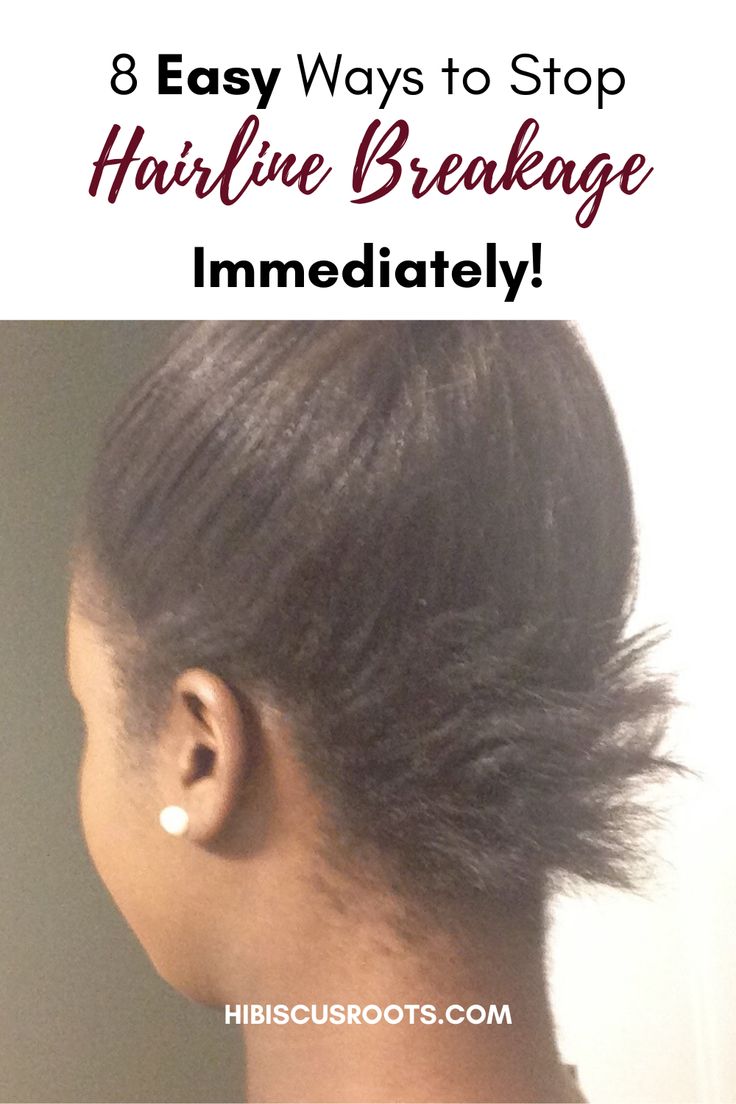
While genetics play a significant role in hair loss, certain hairstyles and hair care practices can exacerbate the condition or cause temporary hair loss. Tight hairstyles, such as ponytails, buns, and braids, can put excessive tension on the hair follicles, leading to a type of hair loss called traction alopecia. This condition is more common in people of African descent who frequently wear their hair in tight styles like cornrows or weaves.
Other hairstyles that can contribute to hair loss include:


- Cornrows and braids
- Tight ponytails and buns
- Weaves and extensions
- Regular use of heat styling tools
- Chemical treatments like relaxers and dyes
These hairstyles and treatments can cause mechanical damage to the hair shaft, leading to breakage and, in severe cases, hair loss. They can also irritate the scalp, causing inflammation and potentially damaging the hair follicles.
Does Wearing Your Hair Back Cause Hair Loss?
Wearing your hair back, such as in a low ponytail or a loose bun, is generally considered a low-tension hairstyle. Unlike tight hairstyles, it's unlikely to cause traction alopecia or contribute to hair loss. However, it's essential to ensure that the hairstyle is not too tight, as this can still put excessive pressure on the hair follicles.
Moreover, if you're prone to hair loss due to genetic or other factors, wearing your hair back won't accelerate the process. However, it's crucial to be gentle with your hair and avoid pulling or tugging at the roots, as this can cause temporary hair loss (telogen effluvium) and further damage the hair follicles.


Tips for Maintaining Healthy Hair
Whether you're prone to hair loss or not, maintaining a healthy hair care routine is essential for keeping your hair strong and vibrant. Here are some tips to help you achieve this:
| Tip | Explanation |
|---|---|
| Gently detangle your hair | Use a wide-tooth comb or a soft-bristled brush to detangle your hair, starting from the ends and working your way up. This helps prevent breakage and damage to the hair shaft. |
| Avoid tight hairstyles | Opt for loose hairstyles that don't put excessive tension on your hair follicles. If you must wear a tight hairstyle, ensure it's not too tight and give your hair a break in between. |
| Be gentle when washing and drying your hair | Avoid scrubbing or rubbing your hair roughly. Instead, gently squeeze the excess water out and let it air dry or use a soft towel to blot it dry. |
| Use heat styling tools sparingly | Regular use of heat styling tools can damage your hair and cause breakage. If you must use them, apply a heat protectant first and keep the temperature as low as possible. |
| Eat a balanced diet | A diet rich in proteins, vitamins, and minerals is essential for hair growth and overall health. Include foods like lean meats, fish, eggs, beans, fruits, and vegetables in your diet. |
Remember, hair loss is a complex issue, and while certain hairstyles can exacerbate the condition, they're not the primary cause. If you're experiencing hair loss, it's essential to consult a healthcare professional or a dermatologist to determine the underlying cause and develop an appropriate treatment plan.
In the meantime, be kind to your hair and adopt a healthy hair care routine. This will not only help prevent hair loss but also promote hair growth and keep your hair looking its best. So go ahead, wear your hair back with confidence, knowing that you're taking care of your hair in the best possible way.




Related Articles

"Hair Loss Solution: How to Regrow Hair Naturally"
Hair loss can be a distressing experience, but it's important to remember that it's a natural process and often temporary. If you're looking to stimulate hair...

"Does Gym Cause Hair Loss? Reddit Users Weigh In"
Have you ever wondered if there's a connection between your gym routine and your hair health? Many people take to platforms like Reddit to discuss this very...

"Does Hair Pomade Cause Hair Loss? Find Out Now"
Hair pomade, a popular styling product, has been the subject of debate regarding its potential impact on hair loss. This article aims to delve into this topic...

"Does Conditioner Cause Hair Loss? Find Out Now"
Ever wondered if your beloved conditioner could be silently contributing to your hair fall woes? You're not alone. This question has been circulating in the...

"Why Braids Cause Post-Takeout Hair Loss"
Have you recently taken out braids and noticed an alarming amount of hair fallout? You're not alone. This is a common concern among people who wear braids or...

"Does Alopecia Cause Hair Loss? Find Out Now"
Alopecia, a term derived from the Greek word for 'fox', refers to a group of conditions that result in abnormal hair loss. It's a common concern, affecting...