"Mastering Presentations: The Power of Good Posture"
Presenting with confidence and clarity is a skill that can be honed over time, and one of the most overlooked aspects of effective presenting is maintaining good posture. Your body language speaks volumes about your confidence and engagement, so let's delve into the art of maintaining good posture while presenting to enhance your overall delivery.
Understanding the Importance of Good Posture
Good posture is not just about looking poised; it's about feeling and projecting confidence. When you stand tall, your body releases hormones that reduce stress and boost your mood. Conversely, poor posture can make you appear disinterested, nervous, or even dishonest. Moreover, maintaining good posture helps you breathe deeply and speak clearly, ensuring your message reaches your audience effectively.
Mastering the Art of Standing
Feet Shoulder-Width Apart
Start by positioning your feet shoulder-width apart. This stance provides a stable base, allowing you to shift your weight naturally and maintain balance. It also opens up your hips and allows your body to align correctly.


Keep Your Weight on the Balls of Your Feet
Leaning back on your heels can make you look passive or disinterested. Instead, keep your weight on the balls of your feet to appear engaged and ready to move. This position also helps you maintain a dynamic presence, allowing you to shift your weight subtly to emphasize points during your presentation.
Engage Your Core
Engaging your core muscles helps maintain a straight spine and supports your entire body weight. Imagine a string pulling you up from the top of your head, lengthening your spine and keeping your shoulders back and down. This simple mental image can help you maintain good posture throughout your presentation.


Sitting with Style
Not all presentations are delivered standing up. If you're presenting while seated, maintain good posture by keeping your back straight, your shoulders relaxed, and your feet flat on the floor. Avoid slouching or crossing your legs for extended periods, as these positions can restrict blood flow and make you feel uncomfortable.
Using Your Hands Effectively
Gestures can enhance your presentation by making it more engaging and helping you connect with your audience. To use your hands effectively, keep them at or slightly above waist level and use open, relaxed gestures. Avoid pointing, clenching your fists, or hiding your hands in your pockets.
Practice Makes Perfect
Like any skill, maintaining good posture while presenting takes practice. Record yourself presenting or practice in front of a mirror to identify any areas for improvement. With time and practice, maintaining good posture will become second nature, allowing you to focus on delivering your message with confidence and clarity.


Common Posture Mistakes to Avoid
| Mistake | Why to Avoid |
|---|---|
| Slouching | Makes you appear disinterested or unconfident |
| Crossing your arms | Can make you appear defensive or closed off |
| Leaning on one leg | Makes you appear unstable or restless |
| Looking down at your notes constantly | Breaks eye contact with your audience and can make you appear nervous |
By being aware of these common mistakes and practicing good posture, you'll be well on your way to delivering engaging and effective presentations. So stand tall, engage your core, and let your confidence shine through in every presentation you give.


Related Articles

"Relax Right: Mastering Good Posture for Instant Calm"
In today's fast-paced world, maintaining good posture while relaxing can often be an overlooked aspect of self-care. However, it's a crucial one. Proper...

"Mastering Bass Guitar: Perfect Hand Posture for Optimal Play"
Mastering the bass guitar involves a lot more than just learning notes and chords. Proper hand posture is crucial for playing efficiently, comfortably, and...

"Correct Running Posture: Tips for a Smooth Stride"
Mastering the Art of Running: The Importance of Correct Posture Running is a powerful form of exercise that can improve cardiovascular health, boost mood, and...

"Power Up: Mastering Hand Gameplay"
In the dynamic world of video games, particularly in strategy and role-playing genres, the concept of "power hand" gameplay has emerged as a popular and...

"Understanding the Power of Hand Hygiene: Preventing Food Poisoning"
Hand hygiene is not just about maintaining personal cleanliness; it's a crucial aspect of preventing foodborne illnesses and ensuring food safety. In the...
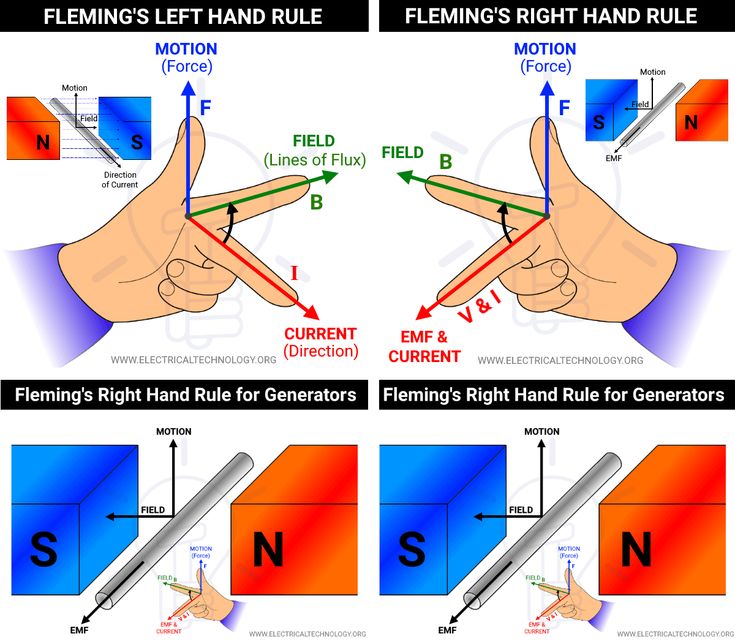
"When to Use Left & Right Hand Rule: Mastering Directional Physics"
The left and right hand rules are fundamental concepts in physics, particularly in understanding the direction of electric current, magnetic field, and force...