"Long-Term Hair Bleach Side Effects: What You Need to Know"
Hair bleach is a popular tool for achieving desired hair colors, but its long-term effects are often overlooked. While it's effective in lightening hair, understanding its potential long-term side effects is crucial for maintaining hair health. This article explores these effects and provides tips to minimize risks.
Understanding Hair Bleach
Hair bleach works by penetrating the hair shaft and breaking down the melanin, the pigment that gives hair its color. This process lifts the hair's natural color, preparing it for a new color deposit. However, this process can also strip away the hair's natural oils and proteins, leading to various side effects over time.
Long-Term Side Effects of Hair Bleach
Hair Damage and Dryness
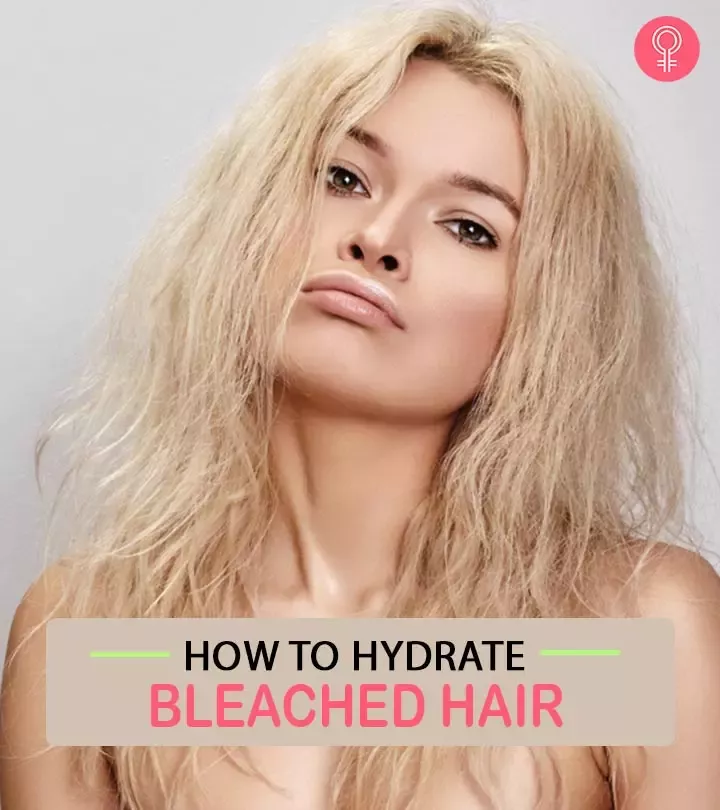
Repeated use of hair bleach can lead to long-term damage, including dryness, brittleness, and a loss of elasticity. This damage can make hair more prone to breakage and split ends, leading to a frizzy, unmanageable texture over time.


Allergic Reactions and Sensitivity
Long-term use of hair bleach can increase the risk of allergic reactions and skin sensitivity. This can manifest as itching, redness, and even blisters on the scalp and skin. In severe cases, it can lead to hair loss or bald patches.
Hair Thinning and Loss
While hair bleach doesn't directly cause hair loss, it can weaken the hair follicle over time, leading to thinning and loss. This is because bleach strips away the follicle's natural oils, making it difficult for hair to grow and stay healthy.


Yellow or Orange Tinge
One of the most common long-term effects of hair bleach is a yellow or orange tinge that can develop over time, especially in darker hair. This is due to the buildup of brassiness, which can be difficult to remove and requires toning to neutralize.
Minimizing the Risks: Tips for Safe Bleaching
Professional Bleaching
Consider having your hair bleached by a professional stylist. They have the training and experience to minimize damage and achieve the best results.
Patching and Strand Testing
Before bleaching, perform a patch test to check for allergies and a strand test to determine the appropriate bleach strength for your hair. This can help prevent over-processing and excessive damage.


Moisturize and Condition
After bleaching, use deep conditioning treatments and moisturizing products to replenish your hair's natural oils and proteins. This can help minimize the long-term effects of bleach on your hair.
Limit Bleaching Sessions
Try to limit the frequency of bleaching sessions. Waiting at least 8-10 weeks between sessions can give your hair time to recover and reduce long-term damage.
Alternatives to Bleach
If you're concerned about the long-term effects of hair bleach, consider alternative methods for lightening your hair, such as highlights or lowlights, which can provide a more natural look with less damage. You could also explore natural hair lightening methods, like lemon juice or chamomile tea, although these may not provide the same level of lightening as bleach.




Related Articles

"Cowgirls Hair & Nail Herb Side Effects: What You Need to Know"
Embracing the cowgirl lifestyle often involves a unique approach to personal grooming, with hair and nail care being no exception. Many cowgirls turn to...

"Hair Gloss Treatment Side Effects: What You Need to Know"
Hair gloss treatments have become increasingly popular due to their ability to enhance shine, smooth frizz, and temporarily transform hair color. However, like...

"Darkening Pomade Side Effects: What You Need to Know"
Darkening pomades have become increasingly popular among men and women seeking to enhance their hair color or cover gray hairs. While these products offer a...

Hair Coloring Side Effects: What You Need to Know
Transforming your look with hair color can be an exciting experience, but it's essential to be aware of the potential side effects. This guide will delve into...

Neck Massager Side Effects: What You Need to Know
Neck massagers have become increasingly popular for their ability to provide relief from tension, stress, and chronic pain. However, like any other product...

Monat Hair Loss Lawsuit: Latest Updates & What You Need to Know
In recent years, the hair care industry has been rocked by a series of lawsuits involving the popular product line, Monat. Known for its anti-aging and...