"Hair Thinning: Best Treatments for Thicker, Healthier Locks"
Are you noticing more hair in your brush or on your pillow? You're not alone. Hair thinning affects millions of people worldwide, and it can be a distressing experience. But don't lose hope. There are numerous hair treatments available that can help slow down or even reverse hair thinning. Let's dive into the world of hair treatments and explore the best options for you.
Understanding Hair Thinning
Before we delve into treatments, it's crucial to understand what causes hair thinning. The most common culprits are genetics, hormonal changes, aging, and stress. Other factors like poor nutrition, heat styling, and chemical treatments can also contribute to hair loss. Understanding the root cause can help you choose the most effective treatment.
Topical Treatments for Hair Thinning
Topical treatments are a popular choice for hair thinning due to their ease of use and minimal side effects. Here are some of the most effective ones:


- Minoxidil: Minoxidil is an FDA-approved topical solution that stimulates hair growth. It works by increasing blood flow to the hair follicles and prolonging the hair growth phase. It's available over the counter in different strengths, with 5% being the most common.
- Ketoconazole Shampoo: Ketoconazole is an antifungal agent that's often added to shampoos. It can help treat hair thinning caused by dandruff or other scalp conditions. It also has the added benefit of making hair look thicker and fuller.
Oral Medications for Hair Thinning
Oral medications are another option for treating hair thinning. They work by blocking the production of a hormone that causes hair loss. Here are two of the most common:
- Finasteride: Finasteride is a prescription medication that comes in pill form. It works by blocking the production of a hormone called dihydrotestosterone (DHT), which is known to cause hair loss. It's most effective in the early stages of hair loss.
- Spironolactone: Spironolactone is a diuretic that's also used to treat hair loss. It works by blocking the effects of androgens, hormones that can cause hair loss. It's often used in combination with other treatments for best results.
Hair Loss Treatments to Avoid
While there are many treatments available, it's important to note that not all of them are effective or safe. Here are a few treatments you should avoid:


- Saw Palmetto: Saw palmetto is a popular natural remedy for hair loss, but studies have shown that it's not effective in treating hair thinning.
- Laser Helmets: Laser helmets are marketed as a non-invasive treatment for hair loss, but there's little scientific evidence to support their effectiveness.
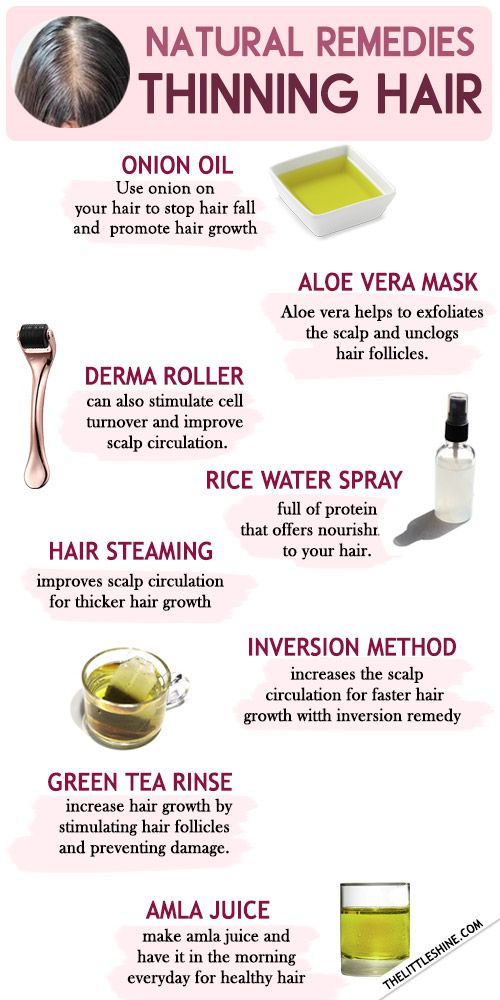
Natural Remedies for Hair Thinning
If you prefer a more natural approach, there are several home remedies that can help promote hair growth and prevent hair thinning:
- Scalp Massage: Regular scalp massages can help improve blood circulation to the hair follicles, promoting hair growth.
- Essential Oils: Essential oils like peppermint, lavender, and rosemary can help stimulate hair growth when applied topically.
- Healthy Diet: A diet rich in proteins, vitamins, and minerals can help promote hair growth and prevent hair thinning.
Remember, what works for one person may not work for another. It's important to consult with a healthcare provider or a trichologist (a specialist in hair and scalp health) to find the best treatment for you.
Preventing Hair Thinning
While there's no guaranteed way to prevent hair thinning, there are several steps you can take to slow down or even reverse the process:


- Regular Trims: Regular trims can help remove split ends and prevent breakage, making your hair look thicker and healthier.
- Gentle Hair Care: Be gentle with your hair. Avoid tight hairstyles, heat styling tools, and chemical treatments that can damage your hair and lead to breakage.
- Stress Management: High stress levels can contribute to hair loss. Finding ways to manage stress, such as through exercise, meditation, or therapy, can help prevent hair thinning.
Hair thinning can be a challenging issue to deal with, but with the right treatment and care, it's possible to slow down or even reverse the process. Don't let hair thinning control your life. Take action today and start your journey to thicker, healthier hair.


Related Articles

"Rejuvenate Your Locks: Best Hair Treatments for Loss & Thinning"
Are you noticing more hair on your pillow or in your brush? You're not alone. Hair loss and thinning can affect both men and women, causing distress and...

"Revive Your Curls: Best Hair Treatments for Damaged Hair, Black Women"
If you're a Black woman dealing with damaged hair, you're not alone. The journey to healthy, strong hair can be challenging, but with the right hair treatment...

"Hair Care: Leave-In Treatments for Healthy Locks"
In the pursuit of healthy, lustrous hair, many of us overlook the importance of a leave-in treatment as part of our regular hair care routine. Leave-in...

"Hair Growth: Top Oil Products for Thicker, Healthier Locks"
Embarking on a journey to stimulate hair growth? You're not alone. Many people seek natural, effective solutions to promote hair growth and improve overall...

"Thin Asian Hair Care: Tips for Thicker, Healthier Locks"
How to Take Care of Thin Asian Hair Caring for thin Asian hair requires a gentle touch and a tailored approach. Unlike other hair types, Asian hair is often...

"Curly Hair Care: Best Treatments for Your Curls"
Embracing your natural curls is a journey of self-love and understanding, and a crucial part of this journey is adopting the right hair care treatment for...