Hand Plane Types & Uses: A Comprehensive Guide
In the realm of woodworking, hand planes are indispensable tools that have stood the test of time. These versatile tools allow woodworkers to shape, smooth, and flatten wood surfaces with remarkable precision. But with numerous types of hand planes available, choosing the right one for a specific task can be daunting. Let's delve into the world of hand planes, exploring their types and uses to help you make informed decisions.
Understanding Hand Planes: A Brief Overview
Hand planes are portable cutting tools that consist of a flat sole, a blade, and a wooden body. The blade is set at a specific angle to the sole, allowing the user to control the depth of cut. The wooden body provides leverage and comfort while using the plane. Hand planes are categorized based on their design, size, and intended use.
Types of Hand Planes: A Comprehensive Guide
Smoothing Planes
Smoothing planes are designed to remove small amounts of wood, leaving a smooth, flat surface. They typically have a long, narrow sole and a blade that is set at a low angle (usually 40-45 degrees). The low angle reduces tear-out, making them ideal for smoothing end grain and figured woods. Smoothing planes come in various sizes, with the most common being the No. 4 (around 11 inches long) and the No. 5 (around 14 inches long).


Jack Planes
Jack planes are versatile, all-purpose tools that can be used for a wide range of tasks, from flattening warped boards to truing up edges. They have a larger, heavier body and a blade that is set at a higher angle (usually 45-50 degrees) than smoothing planes. The most common size is the No. 5 jack plane, which is around 14 inches long. Jack planes are often used as a first plane for flattening and preparing stock before moving on to more specialized planes.
Jointer Planes
Jointer planes are designed to true up the edges of boards, creating a flat, square surface. They have a wide, flat sole and a blade that is set at a high angle (usually 50-60 degrees). The high angle allows for aggressive cuts, making them ideal for removing material quickly. Jointer planes are typically used in pairs, with one plane set to create a flat surface and the other set to create a square edge. The most common sizes are the No. 7 (around 16 inches long) and the No. 8 (around 20 inches long).
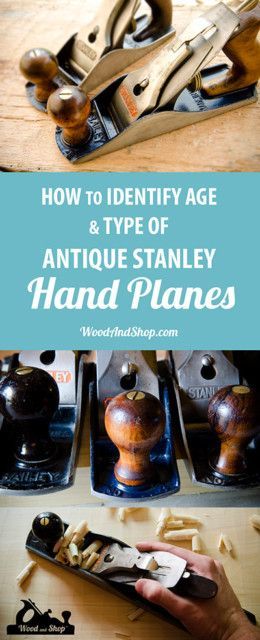


Shoulder Planes
Shoulder planes are designed to plane up to the corner of a board, making them ideal for creating rabbets, dadoes, and other joinery. They have a wide, flat sole and a blade that is set at a high angle (usually 50-60 degrees). The most common sizes are the No. 90 (around 10 inches long) and the No. 92 (around 12 inches long). Shoulder planes are often used in conjunction with chisels and other joinery tools to create accurate, precise cuts.
Block Planes
Block planes are small, compact planes designed for trimming, shaping, and smoothing small, intricate pieces. They have a short, wide sole and a blade that is set at a low angle (usually 12-15 degrees). The low angle makes them ideal for trimming end grain and other delicate tasks. Block planes come in various sizes, with the most common being the No. 1 (around 5 inches long) and the No. 2 (around 7 inches long).
Scraper Planes
Scraper planes are designed to remove very thin shavings, leaving a smooth, glass-like finish. They have a sole with a series of cutters (or scrapers) that remove material as the plane is pushed across the wood. Scraper planes are often used as a final pass before sanding or finishing. The most common size is the No. 250 (around 8 inches long).


Choosing the Right Hand Plane for the Job
Selecting the right hand plane depends on the task at hand. For general-purpose use, a No. 5 jack plane is a great starting point. For smoothing and finishing, a No. 4 smoothing plane is ideal. For trimming and shaping small pieces, a No. 1 or No. 2 block plane is perfect. For joinery work, a No. 90 or No. 92 shoulder plane is essential. And for creating a glass-like finish, a No. 250 scraper plane is the tool of choice.
Maintaining and Sharpening Hand Planes
Maintaining and sharpening hand planes is crucial for their performance and longevity. Regular cleaning, oiling, and sharpening will keep your planes in top condition. The blade should be honed regularly using a sharpening stone, and the sole should be flattened periodically using a flat surface and a sharpening stone or a specialized flattening jig.
| Plane Type | Recommended Uses |
|---|---|
| Smoothing Plane | Smoothing and finishing surfaces, removing small amounts of wood |
| Jack Plane | Versatile, all-purpose use, flattening warped boards, truing up edges |
| Jointer Plane | Creating flat, square edges, removing material quickly |
| Shoulder Plane | Creating rabbets, dadoes, and other joinery, planing up to the corner of a board |
| Block Plane | Trimming, shaping, and smoothing small, intricate pieces, trimming end grain |
| Scraper Plane | Removing very thin shavings, creating a smooth, glass-like finish |
In conclusion, hand planes are invaluable tools in the woodworker's arsenal. Understanding the different types of hand planes and their uses will help you choose the right tool for the job, ensuring efficient and accurate results. With proper maintenance and care, hand planes can last a lifetime, becoming cherished tools that bear the marks of your craftsmanship.


Related Articles

"Stanley Hand Plane Types: A Comprehensive Guide"
Stanley hand planes, renowned for their durability and precision, have been a staple in woodworking for over a century. These planes come in various types...

"Types of Hand Lettering Fonts: A Comprehensive Guide"
Types of Hand Lettering Fonts Hand lettering, an art form that combines calligraphy and typography, has gained significant popularity in recent years. A key...

"Types of Hand Breaks: A Comprehensive Guide"
In the realm of hand and wrist injuries, understanding the different types of breaks is crucial for prompt and accurate treatment. This article delves into the...
Hand Plane Identification: A Comprehensive Guide
Embarking on a journey to identify and understand hand planes is an exciting venture for woodworkers, historians, and enthusiasts alike. These versatile tools...

"Types of Surgical Hand Scrub: A Comprehensive Guide"
Surgical hand scrubbing is a critical aspect of surgical site infection prevention, ensuring that surgical team members maintain a high level of hand hygiene...

"Types of Hand Files: A Comprehensive Guide"
Hand files, also known as rasps, are essential tools in woodworking, metalworking, and other craftsmanship trades. They are used for shaping, smoothing, and...