"Hand Sanitizer: DIY Recipes for Home Use"
In the wake of the COVID-19 pandemic, the importance of maintaining good hygiene has been brought to the forefront. One of the most effective ways to protect against viruses and bacteria is by using hand sanitizers. However, with store shelves often empty and online supplies limited, many people are turning to making their own hand sanitizer at home. This article will guide you through the process, ensuring you create an effective and safe hand sanitizer that meets the World Health Organization's (WHO) recommendations.
Understanding Hand Sanitizers
Hand sanitizers work by denaturing proteins in germs, making them inactive. They are most effective when hands are not visibly dirty or greasy. The WHO recommends that hand sanitizers should contain at least 60% alcohol to be effective. This is because alcohol is a broad-spectrum antimicrobial that can kill most types of germs, including bacteria, viruses, and fungi.
Ingredients Needed to Make Hand Sanitizer at Home
To make your own hand sanitizer at home, you'll need the following ingredients:


- Isopropyl alcohol (91% or 99%) - This is the active ingredient that will kill germs.
- Hydrogen peroxide (3%) - This is an optional ingredient that can help enhance the germ-killing power of the alcohol.
- Glycerol (also known as glycerin or glycerine) - This helps keep your hands from drying out.
- Distilled or boiled water - Tap water can be used if no other option is available, but distilled or boiled water is preferred to ensure purity.
Step-by-Step Guide to Making Hand Sanitizer at Home
Step 1: Gather Your Ingredients
Ensure you have all the necessary ingredients before you start. It's important to use 91% or 99% isopropyl alcohol to ensure your hand sanitizer is effective. You can find these in drugstores or online. Glycerol can be found in the skincare section of most stores, and hydrogen peroxide is usually located with the first aid supplies.
Step 2: Measure Your Ingredients
For a simple hand sanitizer recipe, you'll need:


| Ingredient | Amount |
|---|---|
| Isopropyl alcohol (91% or 99%) | 80% of the total volume |
| Hydrogen peroxide (3%) | 1% of the total volume (optional) |
| Glycerol | 10% of the total volume |
| Distilled or boiled water | Remaining 9% of the total volume |
For example, if you're making 100ml of hand sanitizer, you would need 80ml of isopropyl alcohol, 1ml of hydrogen peroxide, 10ml of glycerol, and 9ml of water.
Step 3: Mix Your Ingredients
In a clean bowl, combine your measured ingredients. Stir well until the glycerol is fully dissolved. Be careful when handling hydrogen peroxide, as it can cause skin irritation and should be used in a well-ventilated area.
Step 4: Transfer to a Bottle
Once your hand sanitizer is fully mixed, transfer it to a clean bottle with a tight-fitting lid. You can use a funnel to make this easier. Label your bottle clearly, including the date you made it, and store it in a cool, dry place.


Using Your Homemade Hand Sanitizer
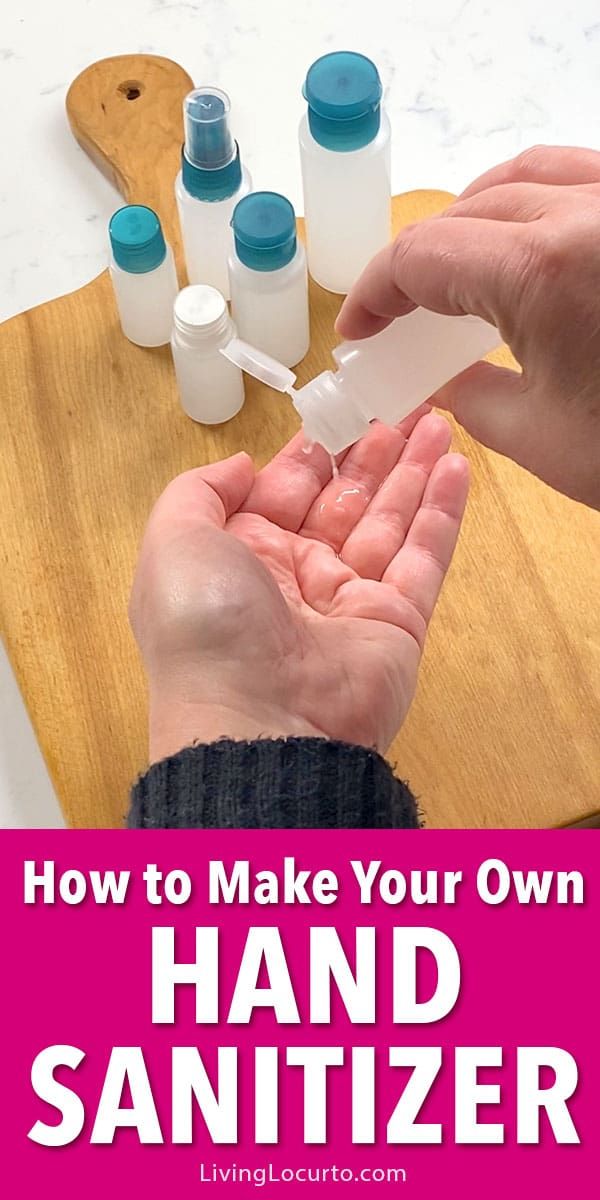
To use your homemade hand sanitizer, apply a palmful of product to the palm of one hand. Rub your hands together, covering all surfaces of your hands and fingers, until they are dry. This should take around 15-30 seconds. Remember, hand sanitizers are not effective when hands are visibly dirty or greasy, so always wash your hands with soap and water when possible.
While homemade hand sanitizers can be a useful alternative when commercial products are not available, it's important to note that they may not be as effective or as long-lasting as store-bought products. Always follow the WHO's guidelines for hand hygiene, which include washing your hands with soap and water for at least 20 seconds, especially after using the toilet, before eating, and after blowing your nose, coughing, or sneezing.



Related Articles

"Hand Sanitizer Experiments: DIY & Safe Recipes to Try at Home"
In the wake of the COVID-19 pandemic, hand sanitizers have become a staple in our daily lives. But how effective are they, really? And what's the best way to...

"Essential Oils for DIY Hand Sanitizer: Top Picks & Recipes"
In the current health-conscious climate, hand sanitizers have become a staple in our daily lives. While commercial options are widely available, many people...

"Hand Sanitizer DIY Projects: Easy & Effective Recipes"
In the wake of the COVID-19 pandemic, the demand for hand sanitizers has skyrocketed, leading to shortages and inspiring many to take matters into their own...

"Handcrafted Sushi: Easy Recipes for Home | Sushi Making Guide"
In the vibrant world of culinary arts, there's a unique and captivating trend that's been making waves - hand sushi. This innovative approach to the...

"Hand Perfect Nail Care Kit: Complete Home Manicure Solution"
Discover the epitome of nail care with the Hand Perfection Nail Care Kit, a comprehensive solution designed to transform your manicure routine into a luxurious...

"Hand Practice Ka Ilaj: Homeopathic Remedies at Home"
Discovering natural and effective remedies for common ailments is a journey many of us undertake. Today, we delve into the world of homeopathy, exploring a...