"Caring for Thin Natural Black Hair: A Comprehensive Guide"
Caring for thin, natural black hair can be a delicate task, but with the right knowledge and techniques, you can maintain its health and beauty. This article will guide you through the process, from understanding your hair type to daily care and styling tips.
Understanding Thin Natural Black Hair
Thin black hair is characterized by its fine texture and small diameter. While it may lack volume, it can be incredibly versatile and beautiful. Understanding your hair's unique needs is the first step in caring for it effectively.
Hydration: The Key to Healthy Thin Black Hair
Thin black hair is prone to dryness and breakage due to its fine texture. Therefore, hydration is paramount. Use a moisturizing shampoo and conditioner that are specifically designed for your hair type. Opt for products that are sulfate-free and contain nourishing ingredients like shea butter, coconut oil, or jojoba oil.


Consider co-washing, a method that involves washing your hair with conditioner only, to add extra moisture. This technique is particularly beneficial for thin hair as it helps to detangle and prevent breakage.
Conditioning and Detangling
Conditioning is not just a step in your washing routine; it's a crucial part of maintaining the health of your thin black hair. Always apply conditioner after shampooing, focusing on the mid-lengths and ends where hair tends to be driest. Leave-in conditioners can also be used daily to provide continuous hydration.


Detangling is another important aspect of caring for thin black hair. Use a wide-tooth comb or a detangling brush to gently remove tangles, starting from the ends and working your way up. This helps to prevent breakage and maintain the hair's natural elasticity.
Styling Thin Black Hair
When it comes to styling, less is often more for thin black hair. Opt for styles that add volume and movement, such as braids, twists, or updos. Avoid tight hairstyles that can cause breakage and traction alopecia.
Heat styling should be kept to a minimum, as it can cause dryness and damage. When you do use heat, always apply a heat protectant beforehand to shield your hair from high temperatures.


Trimming Split Ends
Regular trims are essential for maintaining the health of thin black hair. Split ends can travel up the hair shaft, causing breakage and making your hair look frizzy and unhealthy. Aim to trim your hair every 6-8 weeks to keep split ends at bay.
Nourishing Your Scalp
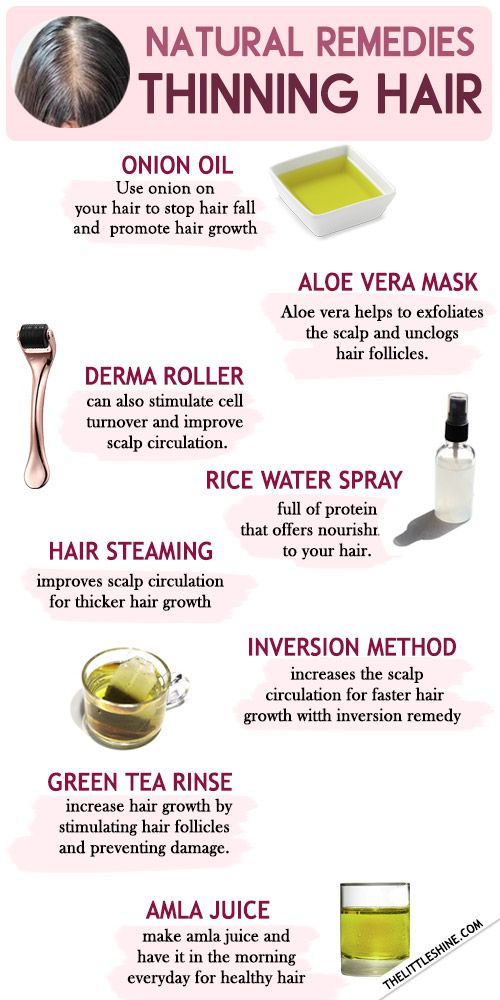
The health of your hair starts at the scalp. Massage your scalp regularly to stimulate blood flow and promote hair growth. You can also use scalp treatments or essential oils like peppermint or lavender to nourish your scalp and hair.
Protective Styling and Nighttime Care
Protective styling involves wearing styles that protect your hair ends and reduce manipulation. This can help to retain length and prevent breakage. Some protective styles include braids, buns, and updos.


At night, protect your hair by wearing a silk or satin bonnet or wrapping your hair in a silk or satin scarf. These fabrics reduce friction and help to retain moisture, keeping your hair healthy and hydrated.
Nutrition and Hair Health
What you eat directly affects the health of your hair. Ensure you're consuming a balanced diet rich in proteins, vitamins, and minerals. Foods like eggs, fish, nuts, and leafy greens can promote hair growth and improve overall hair health.
Supplements can also be beneficial, especially if you're not getting enough nutrients through your diet. Consider taking supplements like biotin, iron, or omega-3 fatty acids to support hair growth and health.
Final Thoughts
Caring for thin natural black hair requires a gentle touch and a consistent routine. By understanding your hair's unique needs and providing it with the right care, you can maintain its health and beauty. Embrace your hair's natural texture and enjoy the versatility and beauty of thin black hair.
Related Articles

"Caring for Natural Gray Hair: A Guide for Black Women"
Embracing Your Silver Strands: A Guide to Caring for Natural Gray Hair for Black Women Gray hair is a natural and beautiful part of aging, and many Black women...

"Caring for Natural Kinky Hair: A Comprehensive Guide"
Embracing your natural kinky hair is a journey of self-love and understanding. Kinky hair, often referred to as tightly coiled or Afro-textured hair, is...

"Caring for Textured Black Hair: A Comprehensive Guide"
Caring for texturized black hair requires a unique approach due to its distinct characteristics. Texturized hair, often achieved through chemical treatments...

"Low Porosity Natural Hair Care: A Comprehensive Guide"
Embracing your natural hair journey with low porosity hair can be a rewarding experience. Understanding your hair's unique needs is the first step towards...

"Caring for Your Hair After a Keratin Treatment: A Comprehensive Guide"
Embracing a keratin treatment can transform your hair, leaving it smoother, shinier, and more manageable. However, to ensure your hair maintains its newfound...

"Caring for Kinky Curly Hair: A Comprehensive Guide"
How to Care for Kinky Curly Hair Embracing your natural curls is a journey of self-love and acceptance, and caring for kinky curly hair is an essential part of...