"Mastering the Left Hand Technique on Mandolin"
The left-hand technique on the mandolin is a crucial aspect of playing this captivating instrument. It's the foundation upon which your melodies and chords are built. In this article, we'll delve into the intricacies of left-hand mandolin technique, exploring everything from hand position and finger placement to vibrato and slurs.
Understanding Mandolin Anatomy
Before we dive into the left-hand technique, let's familiarize ourselves with the mandolin's anatomy. The mandolin has eight strings, divided into two courses. The left hand plays the melody and chords by pressing down on the strings, altering their pitch. The right hand is responsible for producing the sound by plucking or bowing the strings.
Hand Position and Finger Placement
The mandolin's small size can make it challenging to maintain a comfortable hand position. Your hand should rest lightly on the neck, with your thumb behind the neck and your fingers curved over the strings. Your fingers should be close together, with the tips of your fingers pressing down on the strings. This position allows for maximum flexibility and control.


Finger Numbers and Names
- Index finger: Finger 1
- Middle finger: Finger 2
- Ring finger: Finger 3
- Little finger: Finger 4
Fretting Notes
Fretting notes involves pressing down on a string with one or more fingers to change its pitch. The fret where you press down is the note you play. For example, pressing down on the first fret of the G string produces the note G#.
Practice Tips for Fretting Notes
- Use the tips of your fingers, not the pads.
- Press down perpendicular to the string.
- Keep your fingers close together to avoid muting strings.
- Practice fretting notes slowly and accurately before increasing your speed.
Chords
Chords are formed by fretting multiple notes at once. The most common mandolin chords are based on the open chord shapes. For example, an open C chord is played by fretting the 1st, 2nd, and 3rd strings at the 1st fret with your index, middle, and ring fingers.


Vibrato
Vibrato is a technique where you rapidly oscillate the pitch of a note. It's achieved by moving your finger back and forth on the fretboard. To play vibrato, press down on a string with your finger, then move your finger up and down slightly. The faster and more controlled your movement, the more expressive your vibrato.
Slurs
Slurs are a smooth transition between two notes played on adjacent strings. They're achieved by lifting your finger off the first string and placing it on the second string without plucking the string. For example, to play a slur from the G string to the D string, you would press down on the G string, then lift your finger and place it on the D string without plucking it.
Practice Routine
Consistency is key when it comes to improving your left-hand technique. Aim to practice for at least 30 minutes a day, focusing on accuracy and control. Incorporate scales, arpeggios, and etudes into your practice routine to build your finger dexterity and strength.


Remember, mastering the left-hand technique on the mandolin takes time and patience. With consistent practice and a willingness to learn, you'll be well on your way to playing beautiful melodies and intricate chords.


Related Articles

"Mastering Chopsticks: Left-Hand Technique for Beginners"
Mastering the art of using chopsticks is a crucial part of enjoying authentic Asian cuisine. While many people focus on the right hand's role, the left hand...

"Mastering Left-Hand Nail Art: A Step-by-Step Guide"
Are you tired of your nails looking the same as everyone else's? Why not try a unique and stylish look by painting your left hand nails differently from your...

"Master Left-Hand Drumming: Expert Exercises for Improved Technique"
Mastering Left-Hand Drumming: Essential Exercises Embarking on a journey to master left-hand drumming is an exciting challenge that can significantly enhance...
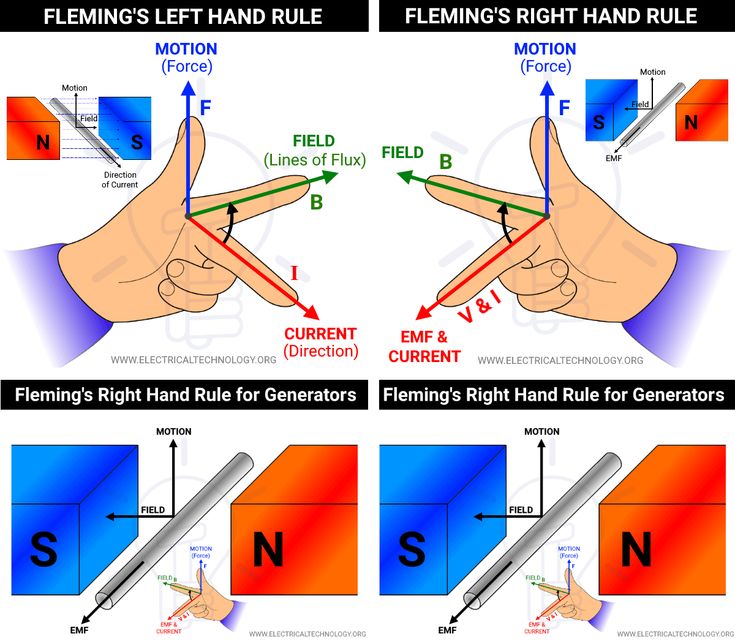
"When to Use Left & Right Hand Rule: Mastering Directional Physics"
The left and right hand rules are fundamental concepts in physics, particularly in understanding the direction of electric current, magnetic field, and force...

"Hand Under Hand: Mastering Dementia Care Techniques"
Caring for a loved one with dementia can be a challenging yet rewarding journey. One technique that has shown promise in improving communication and reducing...

"Mastering Hand Grippers: The Perfect Grip Technique"
Mastering the correct way to hold a hand gripper is crucial for maximizing its benefits while minimizing the risk of injury. This simple yet powerful tool...