"Mastering the Right Hand: Essential Violin Technique"
Mastering the Right Hand Technique in Violin Playing
The right hand is the powerhouse of the violin, responsible for producing the sound and bringing the music to life. Understanding and refining your right hand technique is crucial for every violinist, from beginners to seasoned professionals. Let's delve into the intricacies of right hand technique, exploring bow hold, bow strokes, vibrato, and more.
Understanding the Violin Bow
Before we dive into the right hand technique, it's essential to understand the violin bow. The bow is approximately 29 inches long and weighs around 80 grams. It's made of wood, with horsehair stretched between the frog (the part you hold) and the tip. The bow is held between the thumb and index finger, with the other three fingers resting lightly along the stick.
Proper Bow Hold
Proper bow hold is the foundation of right hand technique. Here's how to hold the bow correctly:


- Place the bow on your index finger, resting on the pad below the tip of your finger.
- Curl your thumb around the frog, with the tip of your thumb resting on the frog's side.
- Rest your middle, ring, and little fingers lightly along the stick, with the tips of your fingers touching the bow.
- Keep your hand relaxed and flexible, with the bow balanced on your index finger and thumb.
Bow Strokes: The Building Blocks of Sound
Bow strokes are the basic movements of the bow that produce sound. There are four primary bow strokes:
- Downbow: The bow moves away from the frog, starting from the tip.
- Upbow: The bow moves towards the frog, starting from the tip.
- Detaché: A light, detached stroke, often used for staccato playing.
- Spiccato: A bounce stroke, where the bow bounces off the string, producing a short, staccato sound.
Bow Distribution and Speed
Bow distribution refers to how much of the bow you use for each stroke. Using a full bow (from tip to frog) creates a richer, more resonant sound, while using a shorter bow can produce a lighter, more delicate tone. Bow speed is also crucial; faster bow speeds produce higher pitches, while slower speeds result in lower pitches.


Vibrato: Adding Emotion to Your Playing
Vibrato is a pulsating movement of the finger on the string, creating a vibrato effect. It's a vital aspect of violin technique, adding expression and warmth to your playing. Here's how to produce vibrato:
- Place your finger on the string, with the tip of your finger resting on the string and the pad of your finger pressing down.
- Rock your finger back and forth, using the pad of your finger to create the pulsating movement.
- Keep your wrist flexible and your arm relaxed to allow for smooth, even vibrato.
Practice Tips for Refining Your Right Hand Technique
Improving your right hand technique takes time and consistent practice. Here are some tips to help you refine your skills:
- Start slow and focus on accuracy before increasing your speed.
- Use a metronome to help you develop a steady bow speed and rhythm.
- Record yourself playing and listen back to identify areas for improvement.
- Work with a teacher or coach to receive personalized feedback and guidance.
Common Mistakes and How to Avoid Them
Even experienced violinists can fall prey to common right hand technique mistakes. Here are a few to watch out for:


| Mistake | Solution |
|---|---|
| Tensing the shoulder and arm muscles | Keep your shoulder and arm relaxed, using only the necessary muscles for the movement. |
| Holding the bow too tightly | Relax your grip and keep your fingers light on the bow. |
| Using too much bow for short notes | Use a shorter bow for staccato and detached notes to maintain clarity and articulation. |
Incorporating these tips and strategies into your practice routine will help you develop a strong, expressive right hand technique. Keep practicing, stay patient, and enjoy the journey of mastering the violin.


Related Articles

Mastering Right Hand Technique: A Comprehensive Guide
Mastering the proper right hand technique is a cornerstone of playing the piano or any keyboard instrument. This technique not only enhances your playing speed...

Mastering Piano: Essential Hand Techniques for Perfect Playing
Mastering the piano is a journey that begins with understanding and developing proper hand technique. This fundamental aspect of piano playing ensures not only...

"Hand Washing Techniques: Which Are Essential Steps?"
Handwashing is a simple yet powerful way to prevent the spread of germs and stay healthy. It's a crucial part of our daily lives, especially in light of the...

"Mastering Your Grip: The Perfect Right Hand Position for Golf Clubs"
Mastering the right hand position on a golf club is a critical aspect of improving your swing and overall game. This seemingly small detail can significantly...
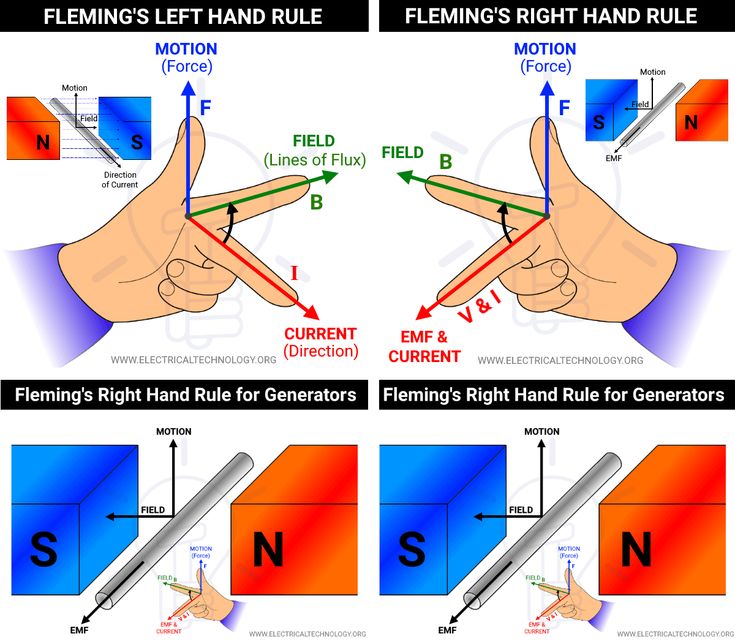
"When to Use Left & Right Hand Rule: Mastering Directional Physics"
The left and right hand rules are fundamental concepts in physics, particularly in understanding the direction of electric current, magnetic field, and force...

"Hand Under Hand: Mastering Dementia Care Techniques"
Caring for a loved one with dementia can be a challenging yet rewarding journey. One technique that has shown promise in improving communication and reducing...