"Should You Have Protein Before AND After Workouts?"
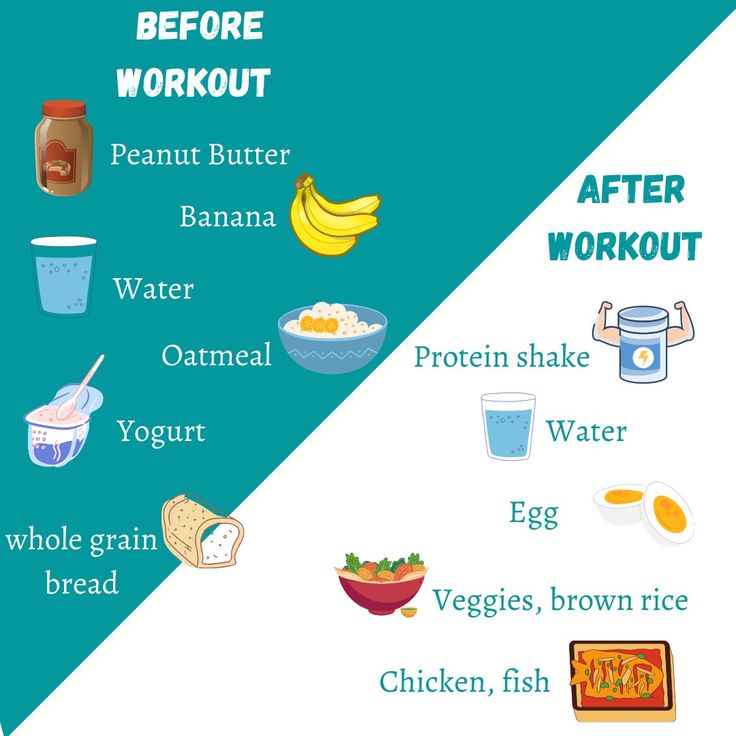
When it comes to optimizing your workout routine, the role of protein is often a topic of debate. Should you consume protein before or after your workout, or both? Let's delve into the science behind protein intake and its relationship with exercise to help you make informed decisions.
Understanding Protein's Role in Exercise
Protein is essential for muscle growth and repair. When you exercise, especially during strength training, your muscles experience micro-tears. Consuming protein helps your body repair these tears and build new muscle tissue, ultimately leading to increased muscle mass and strength.
Moreover, protein plays a crucial role in maintaining your body's energy levels during intense workouts. It helps stabilize blood sugar levels and provides a steady stream of amino acids, which can be used as fuel when your glycogen stores are depleted.


Protein Before Workout: Fueling Up
Consuming protein before your workout can help you in several ways:
- Prevent Muscle Breakdown: Having protein before your workout can help prevent muscle protein breakdown during your exercise.
- Improve Performance: Some studies suggest that consuming protein before a workout can enhance your performance, especially during prolonged exercise.
- Provide Energy: Protein can provide a steady stream of energy, helping you maintain your intensity throughout your workout.
However, it's essential to note that the benefits of pre-workout protein intake are more pronounced when your workout is scheduled more than 3 hours after your last meal. If you're working out within a few hours of eating, your body will likely have enough amino acids from your recent meal.


Protein After Workout: Repair and Rebuild
Post-workout protein intake is crucial for muscle recovery and growth:
- Stimulate Muscle Protein Synthesis: Consuming protein after your workout stimulates muscle protein synthesis, which is the process of building new muscle tissue.
- Reduce Muscle Soreness: Protein helps reduce muscle soreness by aiding in muscle recovery.
- Refuel Your Body: After a workout, your body needs to replenish its glycogen stores. Consuming protein alongside carbohydrates can help with this process.
The optimal time to consume protein post-workout is within 30-60 minutes, often referred to as the "anabolic window." However, recent research suggests that this window may not be as critical as previously thought, and consuming protein within a few hours after your workout can still be beneficial.
Protein Timing: A Balanced Approach
Instead of focusing on a specific pre- or post-workout protein intake, consider a balanced approach:


- Spread Out Your Protein Intake: Aim to consume protein throughout the day, including before and after your workout. This approach can help maximize muscle protein synthesis and minimize muscle protein breakdown.
- Pair Protein with Carbohydrates: Consuming protein alongside carbohydrates can enhance muscle recovery and glycogen replenishment, especially after intense workouts.
- Consider Your Overall Diet: Ensure you're consuming enough protein throughout the day to meet your body's needs. The Academy of Nutrition and Dietetics recommends that athletes consume 1.2-2.0 grams of protein per kilogram of body weight per day.
Here's a simple table to illustrate a balanced protein intake throughout the day:
| Meal/Time | Protein (grams) | Carbohydrates (grams) |
|---|---|---|
| Breakfast | 20-30 | 40-60 |
| Mid-Morning Snack | 10-20 | 15-30 |
| Lunch | 20-30 | 40-60 |
| Pre-Workout Snack | 10-20 | 15-30 |
| Post-Workout Meal | 20-30 | 40-60 |
| Dinner | 20-30 | 40-60 |
| Evening Snack (optional) | 10-20 | 15-30 |
Remember, everyone's body responds differently to nutrition. Experiment with different protein timing strategies to see what works best for you. Always consult with a healthcare professional or a registered dietitian before making significant changes to your diet.




Related Articles

Is Post-Workout Tremors Normal?
Have you ever noticed your hands trembling after an intense workout? You're not alone. Many people experience shaky hands post-workout, and it's usually...

Hand Hygiene: Before & After Gloves for Optimal Protection
Hand hygiene is a critical aspect of infection prevention and control, especially in healthcare settings. It's not just about washing your hands before and...

"Hairspray Salon: Before & After Photos"
In the dynamic world of beauty and fashion, hair spray salon photos have evolved into powerful marketing tools. They not only showcase a salon's expertise but...

"Hair Patch Wig Styles: Before & After Photos"
In the world of hair restoration and fashion, hair patches, hair wigs, and hair styles have evolved significantly, offering a wide range of solutions for those...

"R&R Auto Repair Harlingen: See Before & After Photos"
When your vehicle needs attention, you want a reliable and trustworthy auto repair shop. R & R Auto Repair in Harlingen, Texas, has been serving the community...

"When to Use Hair Mask: Before or After Conditioner?"
When it comes to maintaining healthy hair, understanding the correct order of your hair care routine can make a significant difference. One common question...