"Why Do Hands Get Cold During Exercise?"
Have you ever found yourself mid-workout, hands chilled to the bone, wondering why this happens when you're supposed to be generating heat? You're not alone. Many people experience cold hands during exercise, and it's not always a cause for concern. Let's dive into the reasons behind this phenomenon and explore what you can do about it.
Understanding Blood Flow During Exercise
During physical activity, your body increases blood flow to your muscles to supply them with oxygen and nutrients. This is a normal response to meet the higher demand for energy. However, this increased blood flow comes at a cost - other parts of your body, like your hands and feet, may receive less blood flow than usual.
Your body prioritizes blood flow to your core and muscles, as they're essential for maintaining your body temperature and powering your workout. This redistribution of blood flow can lead to a decrease in temperature in your extremities, making your hands feel cold.


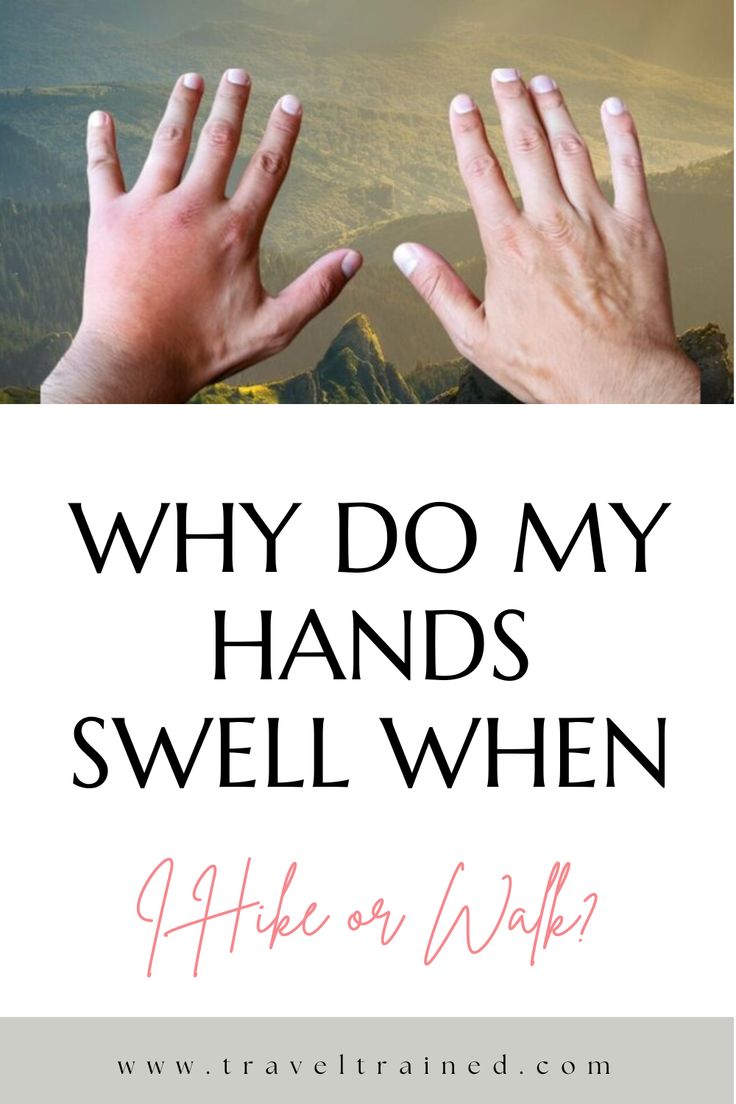
Factors Affecting Hand Temperature During Exercise
Several factors can influence how cold your hands get during exercise. Understanding these can help you determine if there's a reason to be concerned or if it's just a normal response to your workout.
- Intensity and Duration of Exercise: The harder and longer you work out, the more blood is directed away from your hands.
- Environmental Temperature: Cold temperatures can exacerbate the issue, as your body tries to conserve heat by reducing blood flow to your extremities.
- Hydration Status: Dehydration can cause your blood volume to decrease, leading to reduced blood flow to your hands.
- Underlying Health Conditions: Certain conditions, like Raynaud's disease, can cause blood vessels to narrow in response to cold or stress, leading to cold hands and fingers.
When Should You Worry About Cold Hands During Exercise?
While cold hands during exercise are usually normal, there are situations when it could indicate a problem. If your hands become extremely cold, numb, or tingly, or if these symptoms are accompanied by chest pain or shortness of breath, stop exercising immediately and seek medical attention.


If your cold hands are persistent, even when you're not exercising, or if they're accompanied by other symptoms like fatigue, shortness of breath, or swelling, it's a good idea to speak with a healthcare provider.
Tips to Keep Your Hands Warm During Exercise
If you find that cold hands are interfering with your workouts or causing discomfort, there are several strategies you can try to keep your hands warm.
| Tip | How it helps |
|---|---|
| Wear gloves or mittens | These can help trap heat and insulate your hands from the cold. |
| Do warm-up exercises | A proper warm-up can help increase blood flow to your hands before your workout. |
| Stay hydrated | Ensuring you're well-hydrated can help maintain your blood volume and prevent dehydration-related symptoms. |
| Avoid exercising in cold temperatures | If possible, opt for indoor workouts or exercise in warmer weather to minimize the impact of cold temperatures on your hands. |
Remember, everyone's body responds differently to exercise, and what works for one person might not work for another. It's all about finding what works best for you and your body.


Related Articles

"Hand Washing Frequency: When & How Often During Food Prep"
Washing your hands is a simple yet powerful way to prevent foodborne illnesses. But how often should you wash your hands during food preparation? Let's delve...

"Why Do Hands Get Cold While Running?"
Have you ever found yourself mid-run, your hands feeling like ice cubes, despite the rest of your body being warm? You're not alone. This common phenomenon can...
"Why Gloves Make Hands Cold: Unveiled"
Have you ever found yourself wearing gloves on a chilly day, only to notice that your hands are still cold? You're not alone. Many people wonder why their...

"Why Do Hands Get Warm During Meditation?"
Have you ever found yourself mid-meditation, only to notice that your hands have become unusually warm? You're not alone. This phenomenon is quite common among...

"Heart Rate During Exercise: What Happens & Why"
When you embark on a physical activity, your heart doesn't just beat at a steady pace; it responds to the demands of your body, working harder to supply...

"Interlocking Fingers: The Perfect Hand Hold"
Interlocking Fingers: A Symbol of Connection and Affection When two people interlock their fingers, it's more than just a casual hand-hold. This intimate...