"Handcrafted Alcohol-Based Hand Sanitizer Spray: DIY Guide"
In the wake of the COVID-19 pandemic, hand sanitizers have become a staple in our daily lives. While store-bought options are widely available, making your own hand sanitizer spray with alcohol can be a cost-effective and rewarding DIY project. This article will guide you through the process, ensuring you create a safe and effective product that meets the World Health Organization's (WHO) recommendations.
Why Make Your Own Hand Sanitizer?
There are several reasons why you might want to make your own hand sanitizer. Firstly, it's a great way to ensure you have a steady supply, especially during times of high demand. Secondly, it allows you to customize the formula to suit your preferences or skin type. Lastly, it can be a fun and educational project, teaching you about the science behind hand sanitizers.
Understanding the Science Behind Hand Sanitizers
Hand sanitizers work by denaturing the proteins in viruses and bacteria, making them inactive. Alcohol-based hand sanitizers, which are more effective than soap and water against viruses, need to contain at least 60% alcohol to be effective. The most commonly used alcohols in hand sanitizers are ethanol (grain alcohol), isopropanol (rubbing alcohol), and n-propanol.


Gathering Your Ingredients and Equipment
Before you start, ensure you have all the necessary ingredients and equipment. Here's a list to help you:
- 99% isopropyl alcohol or ethanol (ensure it's food-grade if using it for consumption)
- Hydrogen peroxide (3%)
- Glycerol (glycerin or vegetable glycerin)
- Distilled or boiled cooled water
- Spray bottles
- Measuring cup and spoons
- Mixing bowl
- Funnel
Making Your Hand Sanitizer Spray
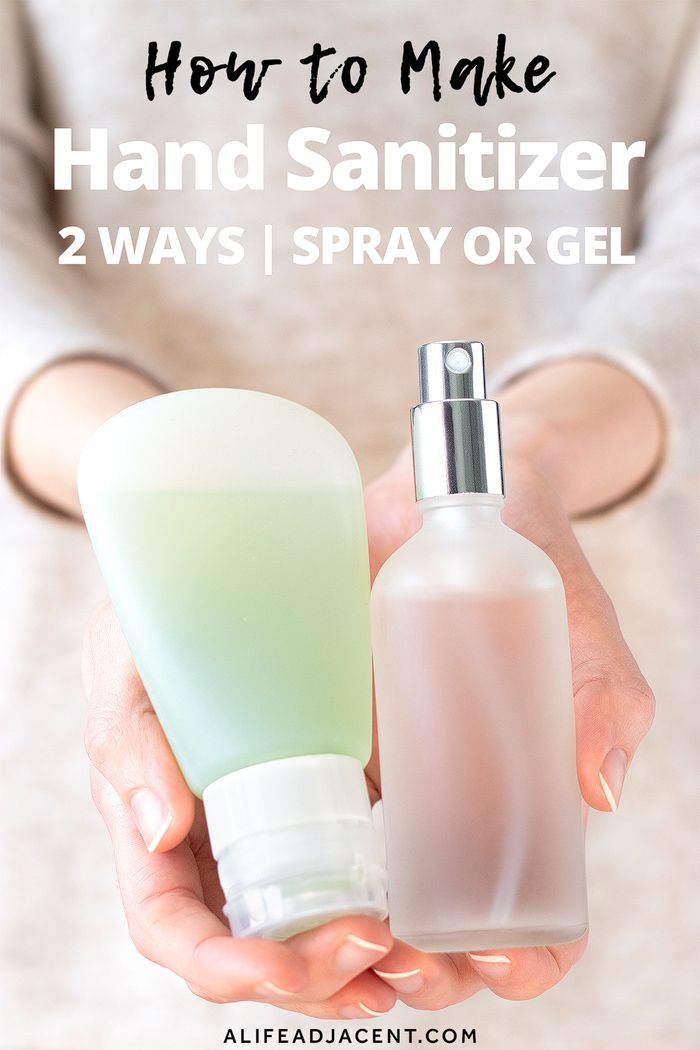
Now that you have all your ingredients and equipment, it's time to make your hand sanitizer. Here's a simple recipe that follows the WHO's recommended formula:


| Ingredient | Amount |
|---|---|
| 99% isopropyl alcohol or ethanol | 833 mL (3 cups) |
| Hydrogen peroxide (3%) | 41.7 mL (3 tablespoons) |
| Glycerol (glycerin or vegetable glycerin) | 14.8 mL (1 tablespoon) |
| Distilled or boiled cooled water | 417 mL (1.75 cups) |
Here are the steps to follow:
- In a large mixing bowl, combine the 99% isopropyl alcohol or ethanol and hydrogen peroxide. Mix well.
- Add the glycerol to the mixture and stir until fully incorporated.
- Slowly add the distilled or boiled cooled water, stirring continuously to ensure the mixture is well combined.
- Using a funnel, pour the hand sanitizer into your spray bottles.
- Label your bottles clearly, including the date of production and the ingredients used.
Safety Precautions
While making your own hand sanitizer can be a rewarding experience, it's essential to follow safety precautions. Always wear gloves when handling chemicals, and ensure you're working in a well-ventilated area. Keep your hand sanitizer out of reach of children and pets, and never ingest it.
Storing Your Hand Sanitizer
Store your hand sanitizer in a cool, dry place away from direct sunlight. It should remain effective for up to 30 days. If you notice any changes in the color or consistency, discard it immediately.


Making your own hand sanitizer spray with alcohol can be a practical and satisfying DIY project. By following this guide, you can create a safe and effective product that meets the WHO's recommendations. Always remember that while hand sanitizers are a useful tool, they should not replace proper handwashing with soap and water. Stay safe and healthy!


Related Articles
"Hand Sanitizer Spray Recipe: 99% Alcohol DIY Guide"
In the wake of the COVID-19 pandemic, the importance of personal hygiene has been brought to the forefront. One of the most effective ways to protect against...

"Handcrafted Essential Oil Hand Sanitizer: DIY Recipe & Tips"
In the current health climate, hand hygiene has become more important than ever. While store-bought hand sanitizers are effective, they can be expensive and...

"Hand Sanitizer with Aloe Vera & Alcohol: DIY Recipe"
In the wake of the COVID-19 pandemic, the demand for hand sanitizers has skyrocketed, leading to shortages in stores. While it's always best to use products...
"Make Your Own Aloe Vera Hand Sanitizer: A Step-by-Step Guide"
In the current health climate, maintaining good hygiene is more important than ever. While hand sanitizers are in high demand, you can make your own at home...
"Make Moisturizing Hand Sanitizer Spray: DIY Guide"
In the current health climate, hand hygiene has become more important than ever. While traditional soap and water are always the gold standard, hand sanitizers...
"Hand Hygiene: How to Use Alcohol-Based Hand Sanitizer Effectively"
In the ongoing battle against germs and viruses, maintaining good hand hygiene is a crucial line of defense. Alcohol-based hand sanitizers have emerged as a...