"Hand Sanitizer with Aloe Vera & Alcohol: DIY Recipe"
In the wake of the COVID-19 pandemic, the demand for hand sanitizers has skyrocketed, leading to shortages in stores. While it's always best to use products approved by health authorities, you can make your own hand sanitizer at home using simple, readily available ingredients like aloe vera gel and alcohol. This article will guide you through the process, ensuring you understand the science behind it and the safety precautions to take.
Understanding Hand Sanitizers and Their Effectiveness
Hand sanitizers work by killing germs on your hands through friction and chemical action. The Centers for Disease Control and Prevention (CDC) recommends using alcohol-based hand sanitizers that contain at least 60% alcohol to effectively eliminate common germs and viruses, including the novel coronavirus.
Ingredients and Equipment Needed
To make your own hand sanitizer, you'll need the following ingredients and equipment:


- 99% isopropyl alcohol or ethanol (grain alcohol)
- 100% pure aloe vera gel
- Hydrogen peroxide (3%) - optional, for added antimicrobial properties
- Glycerin - optional, for moisturizing and improving texture
- Essential oils - optional, for scent (ensure they're safe for skin use)
- Mixing bowl
- Spoon or whisk
- Funnel
- Bottles or containers for storage
Step-by-Step Guide to Making Hand Sanitizer
Ingredients Measurement
The general recipe is as follows, but you can adjust the amounts based on your needs:
| Ingredient | Amount |
|---|---|
| 99% isopropyl alcohol or ethanol | 2/3 cup (159 ml) |
| 100% pure aloe vera gel | 1/3 cup (78 ml) |
| Hydrogen peroxide (3%) | 1 teaspoon (5 ml) - optional |
| Glycerin | 1/4 teaspoon (1.25 ml) - optional |
| Essential oils | 10-15 drops - optional |
Mixing the Ingredients
1. In a mixing bowl, combine the alcohol and aloe vera gel. Stir well until the mixture is smooth and there are no lumps.
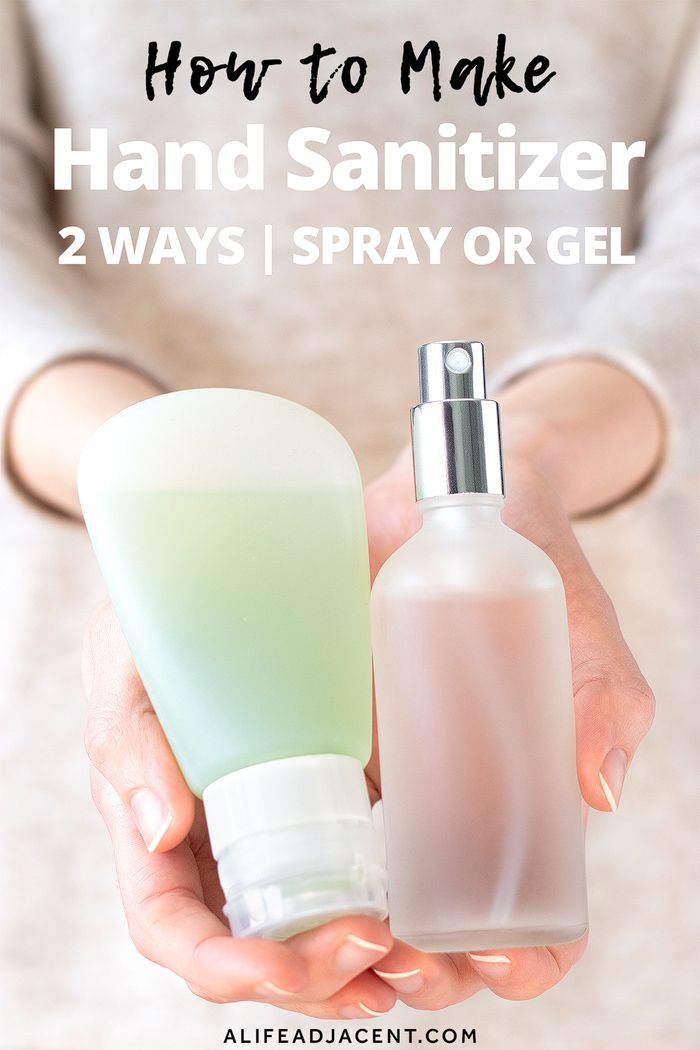


2. If using hydrogen peroxide, glycerin, or essential oils, add them to the mixture one at a time, stirring well after each addition.
3. Ensure the mixture is well-combined and has a gel-like consistency. If it's too runny, add more aloe vera gel. If it's too thick, add a small amount of alcohol.
Bottling the Hand Sanitizer
4. Using a funnel, pour the hand sanitizer into bottles or containers with tight-fitting lids.


5. Label the bottles with the date of preparation and a reminder to wash hands with soap and water when possible.
Safety Precautions and Storage
While this homemade hand sanitizer can be effective, it's essential to remember that washing your hands with soap and water is still the most effective way to eliminate germs. Always follow these safety precautions when using hand sanitizer:
- Apply the recommended amount (about the size of a quarter) to the palm of one hand.
- Rub your hands together, covering all surfaces of your hands and fingers, until they're dry.
- Keep hand sanitizer out of reach of children and pets.
- Store hand sanitizer in a cool, dry place, away from heat sources and open flames.
- Do not use hand sanitizer if your hands are visibly dirty or greasy.
Homemade hand sanitizers can be an effective alternative when commercial products are unavailable. By understanding the science behind them and following the recipe and safety guidelines, you can create a useful tool to help protect yourself and your loved ones from germs and viruses. However, always prioritize proper handwashing with soap and water when possible, as it remains the gold standard for hand hygiene.


Related Articles
"Make Your Own Aloe Vera Hand Sanitizer: A Step-by-Step Guide"
In the current health climate, maintaining good hygiene is more important than ever. While hand sanitizers are in high demand, you can make your own at home...

"Hand Sanitizer Spray Recipe: 99% Alcohol DIY Guide"
In the wake of the COVID-19 pandemic, the importance of personal hygiene has been brought to the forefront. One of the most effective ways to protect against...

"Handcrafted Alcohol-Based Hand Sanitizer Spray: DIY Guide"
In the wake of the COVID-19 pandemic, hand sanitizers have become a staple in our daily lives. While store-bought options are widely available, making your own...

"Soft Hands: Aloe Vera Moisturizing Hand Soap"
In the pursuit of maintaining healthy, soft, and well-groomed hands, the choice of hand soap is a critical factor often overlooked. While many soaps promise to...
" How to Make Moisturizing Hand Sanitizer: DIY Recipe
In the current health climate, hand sanitizers have become a staple in our daily lives. While store-bought options are convenient, they can be harsh on our...

"Create Foamy Hand Wash: DIY Castile Soap Recipe"
Elevate your hand hygiene routine by creating your own foaming hand wash using castile soap. Not only is this DIY project eco-friendly and cost-effective, but...