"DIY Hand Sanitizer Spray Recipe: Make Your Own Germ-Killer at Home"
In the wake of the COVID-19 pandemic, hand hygiene has become more crucial than ever. While store-bought hand sanitizers are effective, they can be expensive and hard to find. That's where a DIY hand sanitizer spray recipe comes in handy. Not only is it cost-effective and easy to make, but it also allows you to control the ingredients and ensure they're safe for your family. Let's dive into the world of DIY hand sanitizers.
Understanding Hand Sanitizers
Before we start, it's essential to understand what makes a hand sanitizer effective. The Centers for Disease Control and Prevention (CDC) recommends hand sanitizers with at least 60% alcohol to kill most types of germs. Alcohol-free sanitizers may not be as effective and should be used only when soap and water aren't available.
Ingredients for DIY Hand Sanitizer Spray
Making your own hand sanitizer involves just a few simple ingredients that you might already have at home. Here's what you'll need:


- 99% isopropyl alcohol or ethanol (not rubbing alcohol, which is only 70% alcohol)
- Hydrogen peroxide (3%)
- Glycerol or glycerin
- Distilled or boiled-cooled water
Why These Ingredients?
The alcohol in your DIY hand sanitizer is the active ingredient that kills germs. Hydrogen peroxide is added to increase the sanitizer's effectiveness and help prevent bacterial growth in the solution. Glycerol helps keep your skin from drying out, and water is used to dilute the solution to the correct concentration.
DIY Hand Sanitizer Spray Recipe
Now that you have your ingredients, it's time to make your DIY hand sanitizer spray. Here's a simple recipe:


| Ingredient | Amount |
|---|---|
| 99% isopropyl alcohol or ethanol | 8 ounces (237 ml) |
| Hydrogen peroxide (3%) | 1 tablespoon (15 ml) |
| Glycerol or glycerin | 1/4 teaspoon (1.25 ml) |
| Distilled or boiled-cooled water | 1/4 cup (60 ml) |
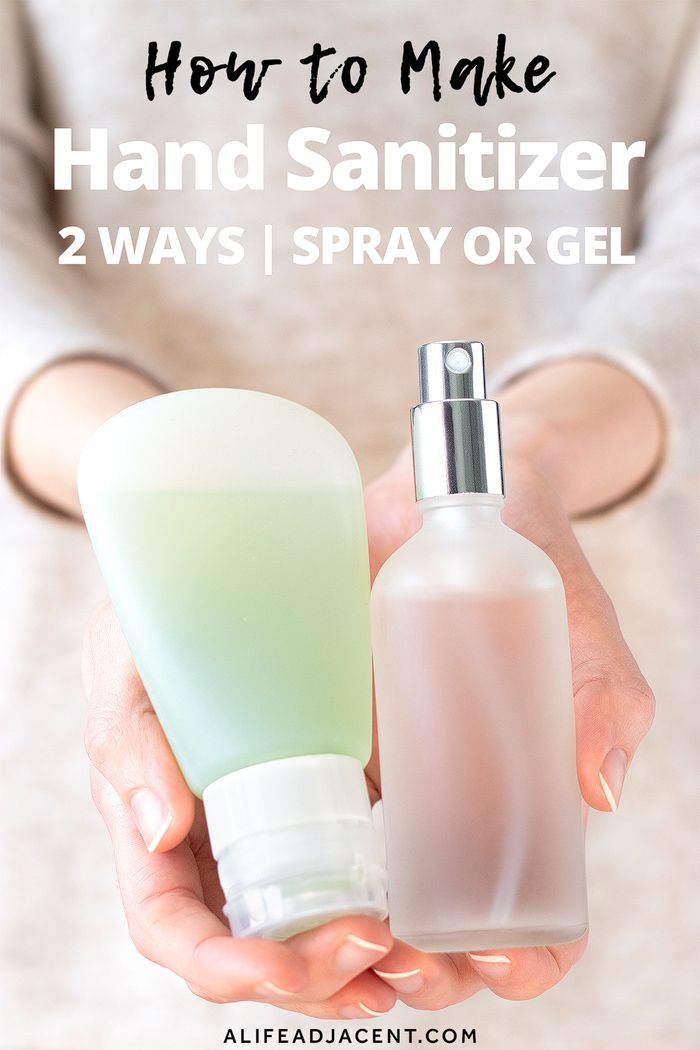
To make your hand sanitizer, combine all the ingredients in a bowl and mix well. Pour the solution into a spray bottle for easy use. That's it! Your DIY hand sanitizer spray is now ready to use.
Safety and Precautions
While DIY hand sanitizers are effective, it's crucial to use them safely. Here are some precautions to keep in mind:
- Never ingest hand sanitizer. It's intended for external use only.
- Keep hand sanitizer out of reach of children and pets.
- If you have sensitive skin, consider adding a few drops of aloe vera gel to your hand sanitizer to help soothe and moisturize your skin.
- If your hands are visibly dirty or greasy, wash them with soap and water instead of using a hand sanitizer.
When to Use Hand Sanitizer
Hand sanitizers are most effective when used correctly. The CDC recommends using a hand sanitizer that contains at least 60% alcohol when soap and water aren't available. Here are some situations where using a hand sanitizer is appropriate:


- After touching surfaces that may be contaminated
- After blowing your nose, coughing, or sneezing
- Before eating
- After touching animals or animal waste
While DIY hand sanitizers are a convenient and cost-effective way to maintain good hygiene, they should not replace proper handwashing. Always wash your hands with soap and water when possible, and use a hand sanitizer only when soap and water aren't available.


Related Articles

"Hand Sanitizer with Aloe Vera & Alcohol: DIY Recipe"
In the wake of the COVID-19 pandemic, the demand for hand sanitizers has skyrocketed, leading to shortages in stores. While it's always best to use products...

"Hand Sanitizer Spray Refill Liquid: Keep Your Hands Clean On-The-Go"
In the wake of the global health crisis, hand hygiene has taken center stage, with hand sanitizer spray refill liquids becoming a staple in households and...
"Make Your Own Aloe Vera Hand Sanitizer: A Step-by-Step Guide"
In the current health climate, maintaining good hygiene is more important than ever. While hand sanitizers are in high demand, you can make your own at home...
"Handcrafted Alcohol-Based Hand Sanitizer Spray: DIY Guide"
In the wake of the COVID-19 pandemic, hand sanitizers have become a staple in our daily lives. While store-bought options are widely available, making your own...
"Make Moisturizing Hand Sanitizer Spray: DIY Guide"
In the current health climate, hand hygiene has become more important than ever. While traditional soap and water are always the gold standard, hand sanitizers...
" How to Make Moisturizing Hand Sanitizer: DIY Recipe
In the current health climate, hand sanitizers have become a staple in our daily lives. While store-bought options are convenient, they can be harsh on our...