Single-Leg Deadlift: Which Arm Holds the Weight?
The single leg deadlift (SLDL) is a powerful exercise that targets the posterior chain, hamstrings, and glutes, while also challenging your balance and stability. A common question among fitness enthusiasts is which arm should hold the weight during this exercise. Let's delve into this query, exploring the biomechanics, benefits, and safety considerations of both options.
Biomechanics: Which Arm to Hold the Weight?
In a single leg deadlift, you can hold the weight in either your right or left hand. The choice depends on your dominant side and the specific muscles you want to emphasize. Here's a breakdown of each option:
- Dominant Arm: Holding the weight in your dominant arm can provide more stability and control, as you're using your stronger side. This can be beneficial if you're new to the exercise or working with heavier weights.
- Non-Dominant Arm: Using your non-dominant arm challenges your balance and stability more, as you're working against your body's natural tendency to favor your dominant side. This can help improve symmetry and unilateral strength.
Benefits of Each Option
Both options have their advantages. Using your dominant arm can help you lift heavier weights, build more strength, and improve your power output. On the other hand, using your non-dominant arm can help you develop better balance, stability, and unilateral strength. It can also help prevent or correct muscle imbalances.


Improving Balance and Stability
Using your non-dominant arm in the single leg deadlift can help improve your balance and stability. This is because you're challenging your body's center of gravity and forcing it to adapt. Over time, this can lead to improved overall balance and stability, which can translate to better performance in other exercises and sports.
Correcting Muscle Imbalances
If you have muscle imbalances, using your non-dominant arm in the single leg deadlift can help correct them. By challenging your weaker side, you're forcing it to work harder and catch up to your dominant side. This can help you develop more symmetrical strength and prevent injuries.


Safety Considerations
While both options have their benefits, it's important to consider safety as well. Using your non-dominant arm can increase the risk of losing balance and dropping the weight, so it's important to start with a lighter weight and gradually increase as you get more comfortable with the exercise.
Additionally, if you have any injuries or imbalances, it's a good idea to consult with a fitness professional before starting the single leg deadlift. They can help you determine which arm is best for you and provide guidance on proper form and progression.
How to Perform the Single Leg Deadlift
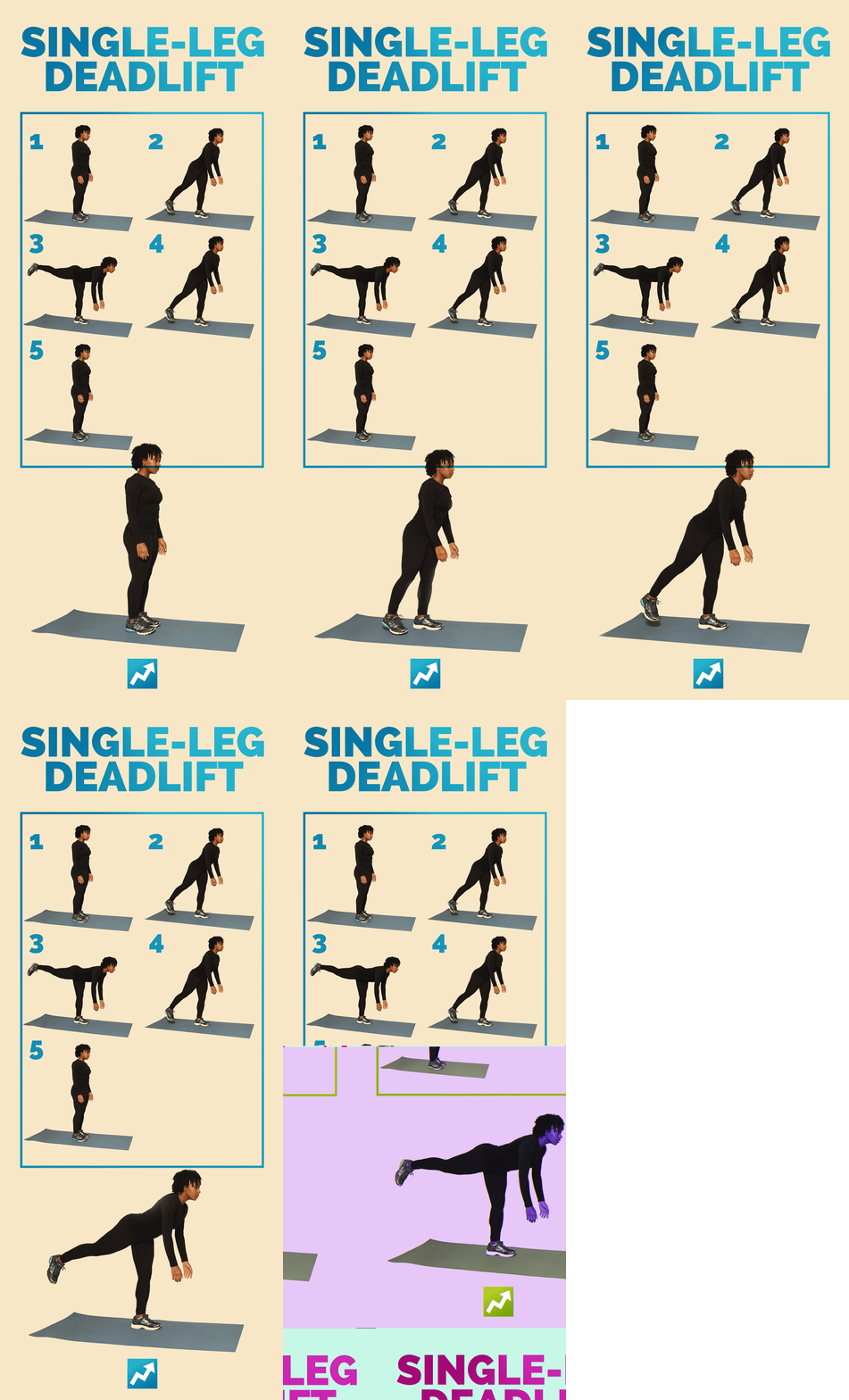
Regardless of which arm you choose, the single leg deadlift is performed in the same way. Here's a step-by-step guide:


| Step | Action |
|---|---|
| 1 | Stand on one leg with a slight bend in your knee. Hold a dumbbell in one hand with your arm extended down by your side. |
| 2 | Hinge at your hips and push your hips back as you lower the dumbbell towards the ground. Keep your back straight and your core engaged. |
| 3 | Lower the dumbbell as far as you can while maintaining proper form, then squeeze your glutes and hamstrings to return to the starting position. |
Remember to start with a light weight and focus on proper form. As you get stronger, you can gradually increase the weight and add more reps or sets to your workout.
The single leg deadlift is a powerful exercise that can help you build strength, improve balance, and correct muscle imbalances. By understanding the biomechanics and benefits of each option, you can choose the best approach for your fitness goals and safety. So, whether you choose your dominant or non-dominant arm, the single leg deadlift is a valuable addition to any workout routine.


Related Articles

Single-Leg Deadlift: Which Hand to Hold the Weight?
The single leg deadlift (SLDL) is a powerful exercise that targets the posterior chain, including the hamstrings, glutes, and lower back. It's a compound...
"Single-Leg RDL: Weight in Hand?"
The question "single leg RDL weight in which hand?" is a common one among fitness enthusiasts and professionals alike. The Single Leg Romanian Deadlift (RDL)...

"Which Arm for Single-Leg RDL: Dumbbell Hold Guide"
When performing a Single-Leg Romanian Deadlift (RDL), the hand position for holding the dumbbell can significantly impact the exercise's effectiveness and...

"Kettlebell Single Leg Deadlift: Which Hand for Optimal Results? Reddit Discusses"
Are you looking to incorporate kettlebells into your workout routine but unsure about the single leg deadlift (SLDL) with a kettlebell? You're not alone. This...

**"Single vs Double Kettlebells: Which is Right for You?"**
When it comes to kettlebell training, one of the first decisions you'll face is whether to use a single or double kettlebell. Both have their unique advantages...

Mastering the Deadlift: Free Weight Techniques
Welcome to our comprehensive guide on how to perform the deadlift with free weights. The deadlift is a foundational exercise that targets multiple muscle...