"Single-Leg RDL: Weight in Hand?"
The question "single leg RDL weight in which hand?" is a common one among fitness enthusiasts and professionals alike. The Single Leg Romanian Deadlift (RDL) is a powerful exercise that targets the hamstrings, glutes, and lower back. The weight distribution and hand position can significantly impact the effectiveness and safety of this movement. Let's delve into the details to help you understand the best way to perform this exercise and determine the optimal weight and hand position.
Understanding the Single Leg RDL
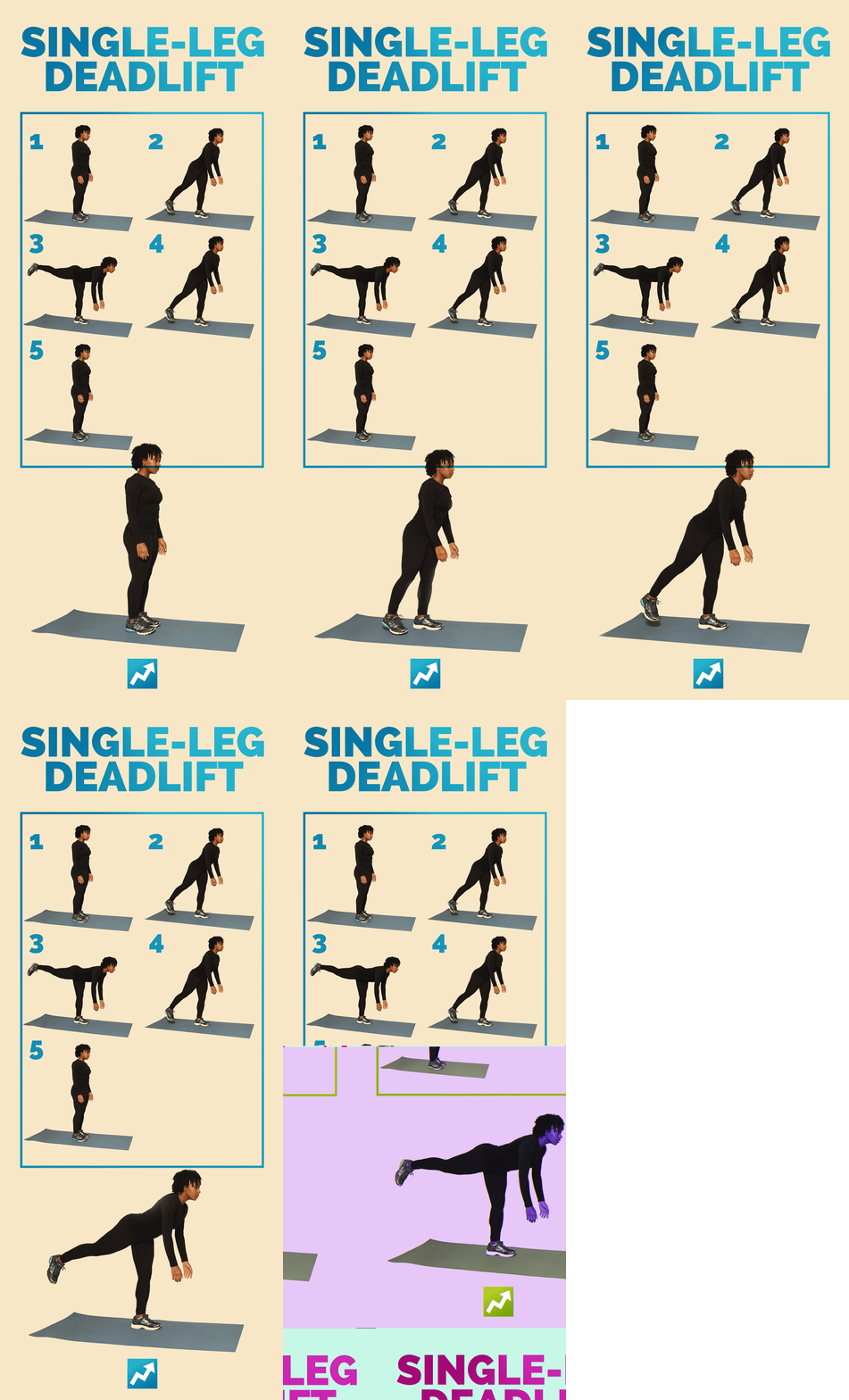
Before we discuss the weight and hand position, it's crucial to understand the Single Leg RDL. This exercise is a unilateral variation of the traditional RDL, focusing on one leg at a time. It not only targets the posterior chain but also improves balance, stability, and core strength. The movement involves hinging at the hips while keeping the back straight, allowing the weighted leg to extend behind you while the other leg provides stability.
Choosing the Right Weight
Determining the right weight for your Single Leg RDL is essential for both progression and safety. Start with a light weight to master the form and technique. As you become more comfortable with the movement, gradually increase the weight. Remember, it's better to use a lighter weight with perfect form than a heavy weight with compromised technique.


- Beginners: Start with a light dumbbell or just bodyweight. Focus on mastering the form and balance before adding weight.
- Intermediate: Once you're comfortable with the movement, you can start using heavier dumbbells or a kettlebell. Aim for 3-4 sets of 8-12 reps per leg.
- Advanced: If you're looking to challenge yourself, you can use a barbell or a heavy kettlebell. Remember, the heavier the weight, the more crucial it is to maintain proper form.
Hand Position: Which Hand Holds the Weight?
The hand position in a Single Leg RDL can vary depending on your goals, the equipment you're using, and your personal preference. Here are a few common hand positions:
| Hand Position | Benefits |
|---|---|
| Dumbbell in the same-side hand: This position allows for a more natural movement and can help improve balance. It's ideal for beginners and those looking to focus on form. | Improves balance and stability. Allows for a more natural movement. |
| Dumbbell in the opposite-side hand: This position challenges your core stability and can help improve overall strength. It's great for intermediate lifters looking to increase the difficulty of the exercise. | Challenges core stability. Can help improve overall strength. |
| Kettlebell in the same-side hand: This position is often used with heavier weights and can help improve grip strength. It's ideal for advanced lifters looking to increase the weight they're using. | Improves grip strength. Allows for heavier weights. |
Regardless of the hand position you choose, it's crucial to maintain proper form throughout the movement. Keep your back straight, engage your core, and focus on hinging at the hips. If you're unsure about which hand position is right for you, consider consulting a fitness professional.


The Single Leg RDL is a powerful exercise that can help you build strength, improve balance, and enhance your overall fitness. By understanding the right weight and hand position for your Single Leg RDL, you can maximize the benefits of this exercise and avoid common pitfalls. So, grab a dumbbell or kettlebell, find your balance, and get ready to feel the burn in your hamstrings and glutes.




Related Articles

Single-Leg Deadlift: Which Hand to Hold the Weight?
The single leg deadlift (SLDL) is a powerful exercise that targets the posterior chain, including the hamstrings, glutes, and lower back. It's a compound...

"Which Arm for Single-Leg RDL: Dumbbell Hold Guide"
When performing a Single-Leg Romanian Deadlift (RDL), the hand position for holding the dumbbell can significantly impact the exercise's effectiveness and...

Single-Leg Deadlift: Which Arm Holds the Weight?
The single leg deadlift (SLDL) is a powerful exercise that targets the posterior chain, hamstrings, and glutes, while also challenging your balance and...

"Kettlebell Single Leg Deadlift: Which Hand for Optimal Results? Reddit Discusses"
Are you looking to incorporate kettlebells into your workout routine but unsure about the single leg deadlift (SLDL) with a kettlebell? You're not alone. This...

"Hand Hygiene: Best Practices to Prevent HAIs"
Hand hygiene is a crucial aspect of preventing healthcare-associated infections (HAIs), which are a significant global health concern. It's not just about...

Hand Sanitizer vs Spray: Which is Better?
In the wake of the COVID-19 pandemic, hand hygiene has taken center stage, with hand sanitizers and sprays becoming ubiquitous. But with so many options...