Single-Leg Deadlift: Which Hand to Hold the Weight?
The single leg deadlift (SLDL) is a powerful exercise that targets the posterior chain, including the hamstrings, glutes, and lower back. It's a compound movement that also engages the core and improves balance. One of the most common questions about this exercise is: which hand should you use to hold the weight? Let's delve into this question and explore the benefits, techniques, and safety considerations of performing the single leg deadlift with either hand.
Understanding the Single Leg Deadlift
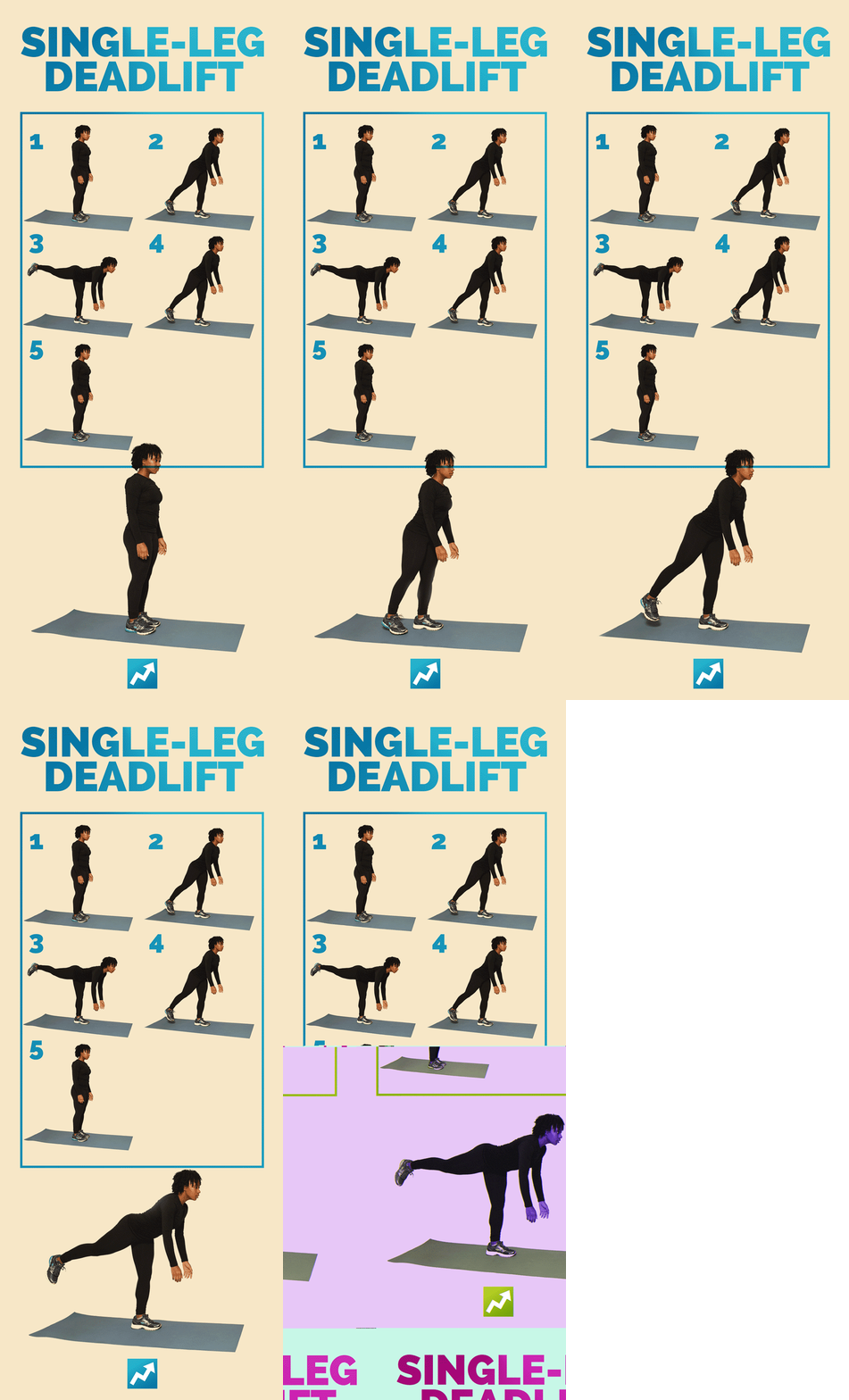
Before we discuss which hand to use, it's crucial to understand the single leg deadlift movement. Starting with both feet on the ground, you'll hinge at the hips, push your glutes back, and lower the weight (usually a dumbbell or kettlebell) towards the ground while keeping your back straight. As you lower, you'll lift one leg behind you, keeping it straight and parallel to the ground. Once you've reached the lowest point, you'll push through your heel to stand back up, bringing your leg back to the starting position.
Which Hand to Use: Left or Right?
There's no one-size-fits-all answer to this question. The choice between using your left or right hand depends on your dominant side, any existing muscle imbalances, and personal preference. Here are some factors to consider:


- Dominant Side: Most people will find it more comfortable to use their dominant hand to hold the weight. This is because you'll have better control and strength on your dominant side.
- Muscle Imbalances: If you have muscle imbalances, using your non-dominant hand can help correct these. For instance, if your right leg is stronger than your left, performing SLDLs with your left hand can help build symmetry.
- Personal Preference: Some people might find it more comfortable to use their non-dominant hand. If this is the case, there's no harm in sticking with what feels best for you.
Switching Hands for Better Balance
Switching hands can also help improve balance and stability. By challenging your body to adapt to an unfamiliar movement, you're forcing it to improve its balance and coordination. This is particularly useful for athletes or anyone looking to improve their overall body control.
Proper Form and Safety Considerations
Regardless of which hand you choose, maintaining proper form is crucial to avoid injuries and maximize the benefits of the exercise. Here are some safety considerations:


- Start with a light weight to master the movement and build stability.
- Keep your back straight and engage your core throughout the movement.
- Don't let your knee extend past your toes to avoid straining your knee joint.
- If you feel any pain or discomfort, stop the exercise and consult a fitness professional.
| Benefits of Single Leg Deadlift |
|---|
| Improves hamstring and glute strength |
| Enhances balance and stability |
| Strengthens the lower back |
| Promotes muscle symmetry and corrects imbalances |
Incorporating single leg deadlifts into your workout routine can provide numerous benefits. Whether you choose to use your left hand, right hand, or switch between the two, the key is to maintain proper form and listen to your body. If you're unsure about which hand to use or how to perform the exercise safely, consider consulting a fitness professional for personalized advice.


Related Articles

"Which Arm for Single-Leg RDL: Dumbbell Hold Guide"
When performing a Single-Leg Romanian Deadlift (RDL), the hand position for holding the dumbbell can significantly impact the exercise's effectiveness and...
"Single-Leg RDL: Weight in Hand?"
The question "single leg RDL weight in which hand?" is a common one among fitness enthusiasts and professionals alike. The Single Leg Romanian Deadlift (RDL)...
Single-Leg Deadlift: Which Arm Holds the Weight?
The single leg deadlift (SLDL) is a powerful exercise that targets the posterior chain, hamstrings, and glutes, while also challenging your balance and...
"Kettlebell Single Leg Deadlift: Which Hand for Optimal Results? Reddit Discusses"
Are you looking to incorporate kettlebells into your workout routine but unsure about the single leg deadlift (SLDL) with a kettlebell? You're not alone. This...

"Bulgarian Split Squats: Which Hand to Hold Dumbbell for Optimal Results"
Bulgarian split squats are a powerful exercise that targets the lower body, particularly the quads, hamstrings, and glutes. When incorporating dumbbells into...
"Which Hand to Hold Dumbbell for Bulgarian Split Squat?"
When it comes to performing the Bulgarian Split Squat with dumbbells, the question of which hand to hold the dumbbell in often arises. This exercise, also...